
You must have often heard about the terms mindfulness and meditation. Many people use these words interchangeably. Are they the same? In this blog, UEF helps you understand the difference between mindfulness vs meditation, practical techniques and how to start them with simple exercises. Learning how to practice mindfulness and meditation will help you build a more flourishing life.
What Are Meditation and Mindfulness?
We are living in a time when the outer noise has become too loud. There are endless notifications, racing thoughts, and constant pressure to do more, become more, and achieve more. But amidst all of it, your soul quietly whispers, come back to yourself. This is exactly where the journey of mindfulness and meditation begins. So many people speak about meditation versus mindfulness as if they are identical paths that lead to the same destination. But when you slow down and listen, you shall begin to notice something beautiful. Meditation and mindfulness are connected, yet different, just like the moon and its reflection in water.
When you understand the difference between meditation and mindfulness, it can completely change the way you witness your internal world. Meditation teaches you how to sit with yourself, and mindfulness teaches you how to live with yourself. At UEF, we believe that these practices are ways of entering life more fully, more consciously, and more peacefully. When practiced in synergy, they can awaken emotional balance, clarity, compassion, and spiritual transcendence.
Mindfulness vs Meditation: What's the Difference and Why It Matters
People often wonder, is meditation the same as mindfulness? The answer suggests that both these terms are deeply intertwined. Mindfulness is the art of presence. It is your ability to witness a moment fully. Mindfulness asks you to stop drifting through life unconsciously. Meditation, on the other hand, is a dedicated practice. It is intentional stillness, a ritual of returning inward where you train the mind to soften its chaos and reconnect with awareness.
When we discuss meditation versus mindfulness, you can think of it along these lines.
- Mindfulness is the state of conscious awareness
- Meditation is the path that empowers that awareness.
Understanding mindfulness and meditation together will let you experience life in a different light. You stop reacting automatically and start responding consciously. The idea is to move you from mental noise into inner clarity. And, this is exactly where transformation begins.
What Is Mindfulness Meditation?
Is there a difference between mindfulness and meditation when they're combined into one practice? Yes, but it's subtle. Mindfulness meditation is the combination of both concepts. This form of meditation lets you become more mindful. To do mindful meditation, sit in a quiet space, breathe, and observe your flow of thoughts and emotions without judgement. Mindfulness can be practiced during activities, but mindful meditation needs you to set aside time for it.
Mindfulness vs. Meditation: Key Differences & Practices
Mindfulness means being aware of what is happening right now. Your thoughts, breath, body and even the sounds around you. It is about paying attention without getting lost in it. You don’t need to sit in silence or follow a routine to practise mindfulness. You can be mindful while drinking tea, walking in the park or doing your chores. It is a state of presence.
Enjoying this article?
Get UEF Insights. Writing on loving, learning, and playing, with insights from wisdom traditions and modern science delivered to your inbox.
Meditation is a more formal practice. It is something you set time aside for. You sit still, focus and watch your breath or repeat a mantra or follow a guided voice. Meditation is a way to train the mind to calm inner noise. Most meditation practises use mindfulness too. Mindfulness on its own doesn’t need structure.
Types of Mindfulness
Here are a few types of mindfulness practices that are easy.

1. Mindful Breathing
Mindful breathing is the easiest for a beginner. You sit still and observe your breath without trying to change it. When your mind wanders, bring your focus back to breathing patterns. Mindful breathing is the base of most meditations and yoga practises. You can do this for 5-10 minutes daily.
2. Mindful Body Scan
Just lie down comfortably and close your eyes. Start by observing your breath. Then, slowly become aware of each part of your body, starting from your toes and moving upwards towards your head. Notice where tension lives or heaviness lies. As awareness will move through the body, you can imagine a symbolic fire gently burning away stress, noise, emotional exhaustion, and accumulated distractions. This is known as cleansing, where the body remembers what the mind tries to forget. Mindful body scan is all about helping you listen to your inner self again.
3. Mindful Eating
Mindfulness can be practised while eating also. You need to slow down as you eat. Notice the texture, aroma and taste of the food. Also, focus on how your body feels as you eat. Mindful eating can improve your digestion and help you build a better relationship with your food and your body.
4. Mindful Gratitude Reflection
Every day brings in its wake numerous blessings: a kind word, a sunrise, or a quiet moment of peace. You can take a few moments every day to reflect on what you're grateful for. Write it down if you want, and let gratitude soften the hardness within you. Over time, this practice is going to root your spirit deeply into life, so much like the ancient image of the cosmic tree, whose branches stretch toward heaven while its roots remain grounded in earth. Gratitude is the bridge between both worlds, the human and the divine.
Types of Meditation
Here are different types of easy meditations that you can practice.
1. Mindfulness Meditation
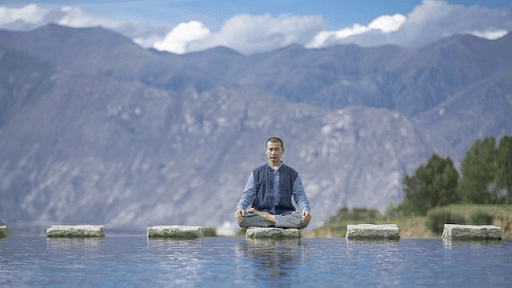
Get comfortable and observe your breath and thoughts without trying to control them. This is how to do mindfulness meditation. This practice will improve both mental and emotional clarity. Mindfulness meditation and yoga together improve overall well-being.
2. Guided Meditation
In guided meditation, you listen to instructions from a guide. This is the best way for beginners to start practising meditation.
3. Loving-Kindness Meditation
Loving-kindness meditation is also known as metta meditation. It is about kindness to self and to everyone. You have to repeat phrases like” may I be happy”, or “may I be healthy” in this meditation practice. First, you wish them for yourself, then for your dear ones and then for strangers and everyone else. Metta meditation opens your heart and heals. In many cultures, such meditations are supported through rituals and religious wear that reflect devotion.
4. Transcendental Meditation
This is a more structured way of meditation. In transcendental meditation, you repeat a mantra to reach deep inner stillness. You can practice this for 15-20 minutes twice a day.
Benefits of Practicing Mindfulness and Meditation Together
When mindfulness and meditation work together, they can create a powerful shift in your life.
Love • Learn • Play
The formula for a meaningful life.
- You respond calmly instead of reacting emotionally.
- You become more focused and less scattered.
- You sleep with greater ease.
- You feel more connected to yourself and others.
- You notice beauty in ordinary moments.
- You make clearer decisions.
- You become emotionally stronger during difficult times.
- You experience deeper spiritual awareness.
This is the real power of mindfulness and meditation together.
Mental Benefits of Mindfulness and Meditation
When you practice regularly, mindfulness meditation can provide you with a healthy mental state or quality of awareness. It will help you lead to improved clarity. You will gain your emotional stability and overall mental wellness.
Reduced Stress
When you are engaging in mindfulness and meditation, it helps you lower your stress by calming your mind and reducing your body’s stress response.
Improves Mood
Regular practice of mindfulness meditation can uplift your mood. It will help you promote a more positive and balanced emotional state.
Enhances Focus & Concentration
Both mindfulness and meditation enhance cognitive performance. They help you improve your attention span and concentration.
Decreases Rumination
Cultivating mental clarity, mindfulness, and meditation can help you reduce repetitive, negative thought patterns.
Physical Benefits of Mindfulness and Meditation
In addition to mental benefits, mindfulness and meditation also contribute to your better physical health and overall well-being.
Lowers Blood Pressure
Mindfulness meditation can lower your blood pressure. They help you by promoting relaxation and reducing your stress hormones.
Improves Sleep
When you are practicing mindfulness and meditation before bedtime, you can easily improve your sleep quality and duration.
Manages Chronic Pain
With regular mindfulness meditation, you can help yourself in managing your chronic pain by altering perception and reducing discomfort.
Supports Immune Functions
Mindfulness and meditation strengthen your immune system. They help you by enhancing your body’s ability to fight illness.
Conclusion
Many people tend to misunderstand mindfulness and meditation and believe false narratives around it. Some people think that these practices only belong to monks who are sitting in caves or spiritual teachers who are far away from modern life. But the truth is not that.
Mindfulness is all about learning how to live, fully live, and meditation is all about learning how to fully listen. Both practices are rooted in ancient wisdom and supported by modern research. They can help improve emotional well-being, focus, sleep, stress management, and spiritual awareness.
You don't have to become a different person to begin this. You only need one conscious breath and a desire to ground yourself. Just a few quiet moments each day can transform the way you experience your inner world. And, as your inner world evolves, your outer life changes too.
If you wish to introduce these practices to your children early in life, UEF's Flourishing Child Program can offer a beautiful beginning for cultivating awareness, compassion, and emotional wisdom from a young age.