
Being spiritual but not religious means pursuing a personal connection to meaning, purpose, or the divine without following the structured beliefs, rituals, or institutions of an organised religion.
Growing up, most of us watched our grandparents and parents follow religious rituals with unwavering dedication. They believed that religion was above everything, even spirituality. But some of us believed otherwise.
Our hearts and minds were just not into it. There was an inner faith that God was too big to be associated with any one religion or confined to any ritualistic practices. If this resonates, you are in the right place.
Let’s talk about something most of us think but rarely say aloud: the difference between being religious and being spiritual.
Spirituality vs Religion: What Is the Difference?
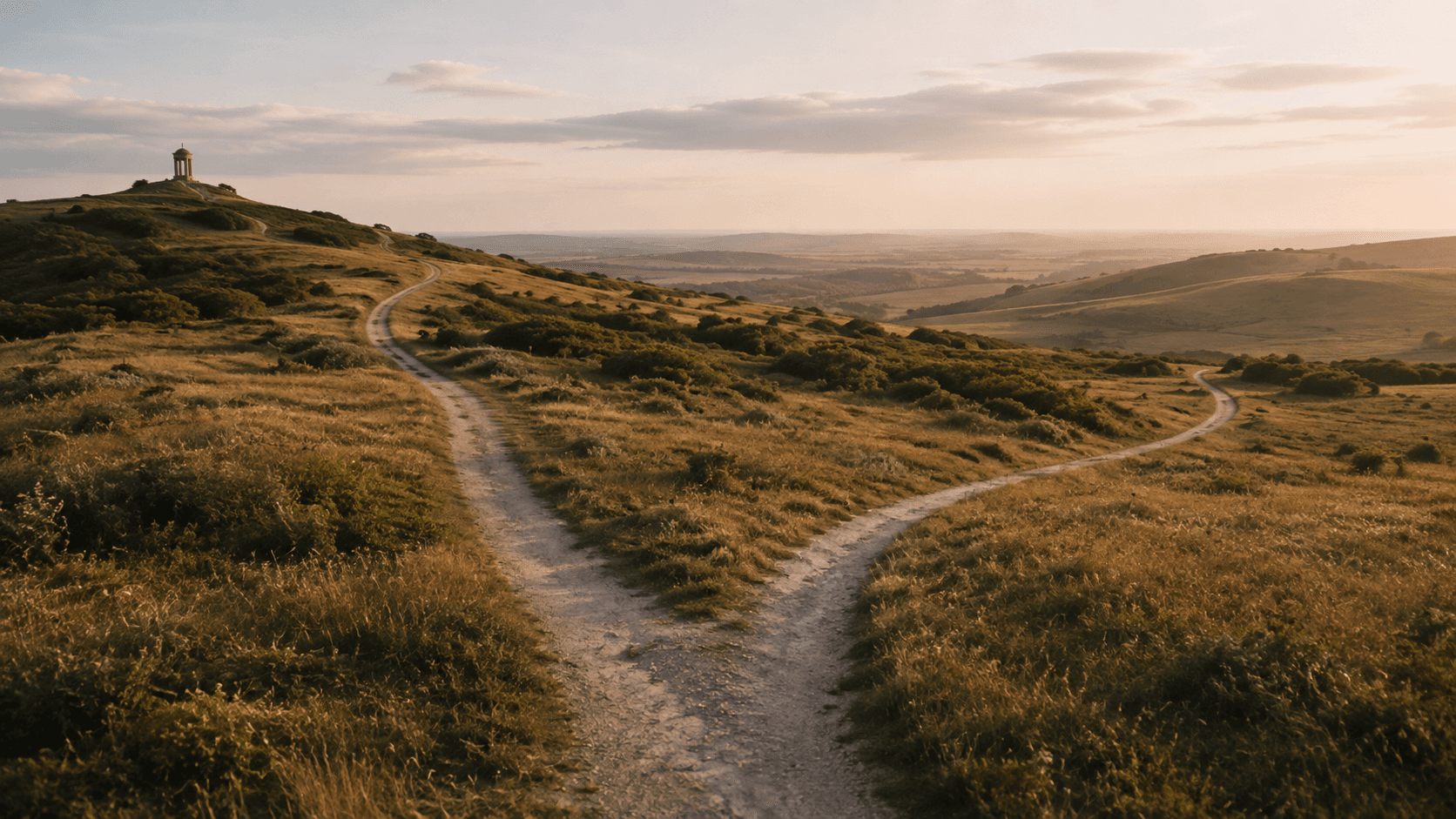
Before we delve into questions like what is spirituality or what does it mean to be spiritual but not religious, let us look at the core difference between the two.
This table helps highlight the difference between being religious and being spiritual in everyday life.
| Aspect | Religion | Spirituality |
|---|---|---|
| Definition | An organised system of beliefs, rituals, and practices. | A personal inner journey seeking meaning or connection with a higher consciousness. |
| Structure | Institutional (e.g., temples, churches, mosques). | Self-directed and non-institutional. |
| Practices | Rituals, ceremonies, and communal worship. | Mindfulness, meditation & reflection. |
| Scriptures/Texts | Central religious texts (e.g., Bible, Quran, Vedas). | May read religious texts, but focus on interpretation and reflection. |
| Authority | Religious leaders (e.g., priests, gurus, imams). | Inner guidance or personal spiritual mentors. |
| Community | Collective or group identity. | Individual experience. |
| Examples in India | Attending temples during festivals and following family traditions. | Practising meditation daily without following rituals. |
| Goal | Salvation, liberation, and following divine commandments. | Inner peace, self-awareness, and connection with the universe or the divine. |
Religion focuses on the extrinsic aspects of divinity laid down by traditions and community. It is a map, helping us forge ahead. Spirituality is a journey inward, building a personal connection with the divine.
Modern Trends: Rise of Spiritual But Not Religious (SBNR)
The world is slowly moving away from dogma. Many are choosing the “Spiritual But Not Religious” path, seeking to tap into their inner source of divine wisdom and spirituality. They believe in listening to the soul rather than any sermon, thus stepping away from traditional religious frameworks.
Research carried out by Pew in the US[1] found that around 45% of citizens in the age group of 18 to 29 identified themselves as Christians; on the other hand, 44% did not affiliate themselves with any religion. A similar trend was observed in the adult population too, in which 35% of adults no longer followed the religion they were born into. And this trend has continued to rise year over year.
A similar study was carried out in India too by the Urban Youth and Lokniti-CDS [2]. Though the adult population remained attached to their religious beliefs, 79% of the youth were far more open-minded and believed that India belonged to all religions and showed an inclination to embrace religious pluralism.
The rise in social media and globalization has vastly contributed to this drift. Today, people, especially the youth, are far more educated and do not blindly conform to inherited traditional beliefs. They are on the lookout for a holistic spiritual connection and are turning to online spiritual communities, wellness apps, and YouTube gurus for inner guidance, leading to a decline in religious affiliations. As more people explore this path, they often ask, can you be spiritual without being religious?
Can You Grow Spiritually Without Religion?
Enjoying this article?
Get UEF Insights. Writing on loving, learning, and playing, with insights from wisdom traditions and modern science delivered to your inbox.
Having understood the difference between religion and spirituality, let us now explore what it means to be spiritual.
To embrace spirituality, one must learn to channel their energy positively. Experience and embrace each day, moment, event, thought and emotion and not resist them. Resistance to any of these leads to stress. It simply wears down our energy completely. We must try to embrace life, not push it away or pull it towards ourselves. Mindfulness practices are one of the clearest paths into that way of living.
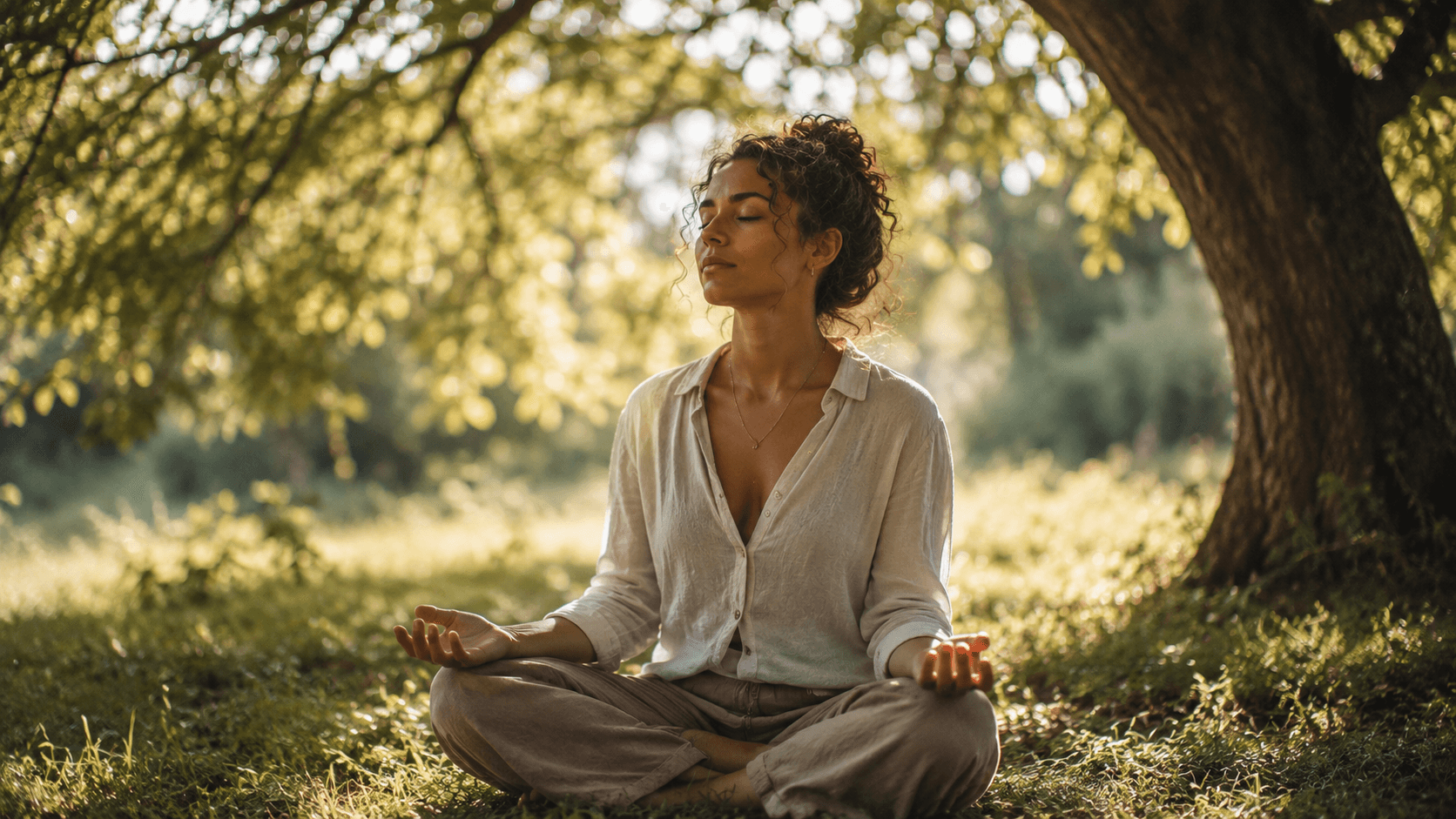
Mindfulness means being present in the moment, relishing and savouring each experience. If we choose mindfulness, we will be in a state of peace. Meditation is a process of training our mind to remain calm, focused, and compassionate even in difficult times. Practising to be still and connected with divine energy. People practice mantra meditation, breathwork meditation, visual meditation, etc. with the intention of observing thoughts, emotions and sensations without being judgemental.
Another non-religious path to spirituality is building a deep connection with nature. Amidst its beauty and stillness, people are able to find clarity and tranquillity, which often they are not able to find even in the most sacred religious places.
The next step in the path of spirituality is service and altruism. Service, often known as ‘seva’, is a voluntary act of helping others without expecting anything in return. Altruism is a broader principle, wherein we develop a genuine concern for the well-being of others and continue it even at a personal cost. Together, they are ways to inner growth, dedicating self to service of others.
These may sound a little too overwhelming to begin with. We can take small but steady steps to commence our spiritual journey by:
- Journalling: writing our experiences, thoughts and emotions, allowing us to reflect and better understand ourselves.
- Breathwork: Concentrating on our breathing – inhale and exhale. This technique will not only give us energy but also help calm our distracted minds.
- Energy Healing: Practising Reiki or balancing chakras helps to balance the body’s natural flow of energy.
These spiritual practices gently introduce us to what it means to be spiritual in a non-religious way. They offer practical guidance for those wondering how to be spiritual but not religious or how to become more spiritual without religion.
Among the many quotes about spirituality, this one from Deepak Chopra captures it best: 'Religion is belief in someone else's experience. Spirituality is having your own experience.'
Why More People Are Choosing Spirituality Over Religion
Does 'spiritual' mean being religious? Well, no. That is why more and more people have moved away from defined belief structures and practices and have chosen the inward path of spirituality, offering a sense of liberation and flexibility. Let’s take a look at some more reasons:
- Psychological Reasons: From a young age, certain religious false narratives are imposed upon us, which seem ritualistic rather than meaningful. For those seeking clarity, these practices feel restrictive rather than purposeful. On the other hand, spirituality offers far more autonomy and an outlet to experience inner purpose and meaning. This helps us to better cope and adapt to the journey of life.
- Cultural Factors: Nurturing spiritual growth is based on embracing cross-cultural practices and philosophies, which is in complete contrast to religion. Religion is often conformed to identity, rituals and traditions that have been passed down through generations.
- Mental Health Research: Both religion and spirituality help individuals to cope with mental health issues, however, in distinct ways. Following ritualistic practices gives a sense of belonging and helps deal with anxiety, fear, and, at times, depression. Conversely, spirituality helps in human flourishing, finding purpose, and building an inner connection, making people become more emotionally resilient to face the ups and downs of life.
Criticisms and Counterarguments
Being spiritual but not religious does not mean abandoning ethics or community but critics argue it can lead to an overly individualised worldview without moral accountability.
Let’s not forget that religion does give us a sense of community and a moral framework. It gives a community an ethical grounding to tread on. However, followers of spirituality, not being bound by any of these, may be at a risk of becoming too self-centered in their quest to find a deep inner meaning.
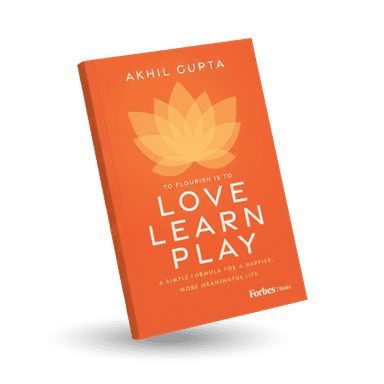
Love • Learn • Play
The formula for a meaningful life.
This aspect of spirituality was further critiqued by renowned philosophers Charles Taylor and James K. A. Smith, who both endorsed the importance of the moral grounding of religious traditions. Thus, we need to strike a balance between the two to avoid going astray.
Is It Okay to Be Spiritual But Not Religious?
Yes. Being spiritual without following a religion is a valid and increasingly common path. In fact, if you have ever wondered, can a person be spiritual but not religious, the answer is yes. Neither spirituality nor religion is inherently superior. They serve different needs for different people.
In India, many view spirituality without religion as a way of challenging age-old traditions, values and beliefs, generating friction between elders and the youth.
Religion does give us a sense of identity and duty. Lacking reverence for any religion or defying its roots is not something that spirituality in any form endorses. And youngsters, who willingly forge their own path, must be cognisant of this.
Let us look at how India’s rich cultural and religious diversity presents an opportunity for spiritual inclusivity. From the vedic philosophies to the teachings of the 10 Sikh Gurus, from the mindfulness of Buddhism to Sufism. India is a good example of where all religions can co-exist peacefully. This pluralism invites people to explore traditions and create a vision and mission for their personal awakening.
Conclusion: Freedom to Choose Your Own Path
The fields have been redefined of the belief in the almighty one. More and more, religion and spirituality are seen through another lens today. Spiritual but not religious is not only possible, it’s flourishing. They have been able to seek inner peace, purpose, and a far deeper connection outside the religious framework. Practicing mindfulness, meditation, and connecting with nature has helped many redefine their way of looking at life and overall well-being.
If you are wondering how to find your inner connection or purpose, well, you are already on a spiritual path the moment you open your heart and choose love over fear, service over self, gratitude over discontent, growth over certainty, and experience over comfort. This is the essence of UEF's Love Learn Play philosophy, guiding you toward alignment, awareness, and purposeful living through conscious connection.
References
[2] https://lokniti.org/media/upload_files/Lokniti-CSDS%20Youth%20Report%202017.pdf