
Introduction
Imagine the silence that falls over a nation in the hour before it declares itself free. It must feel like the silence before a thunderclap or the held breath before a leap. Somewhere, a pen might scratch across paper, or a crowd might gather in a city square, uncertain whether they're witnessing history in the making. And then all at once, everything changes. July seems to hold more of these thunderclaps than any other month. Six nations, scattered across different continents and centuries, chose this month to declare themselves free. Canada on July 1, 1867, the United States on July 4, 1776, France on July 14, 1789, Colombia on July 20, 1810, Belgium on July 21, 1831, and Peru on July 28, 1821.
All different languages, different flags, and different reasons for revolt, yet each one is reaching for the right to determine its own destiny. Independence in any language is never really the end of the story. It is the opening line. What people do with their freedom, how they choose to live, learn, and play within it, is where the real story of flourishing begins.
The Six Independence Days of July
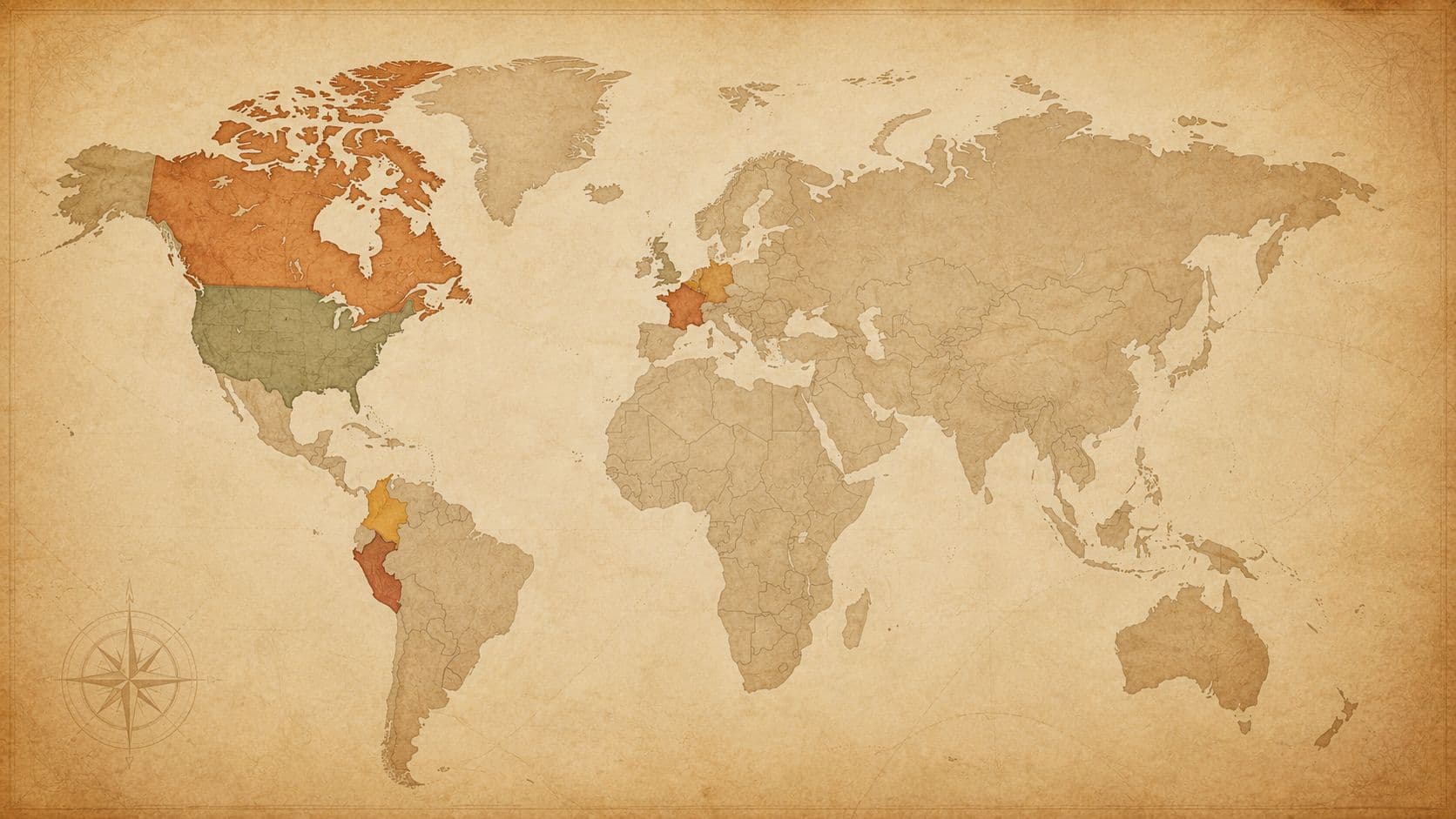
Here are six stories, each with its own complete act of people choosing themselves.
- Canada Day, July 1, 1867, marks the day the British North America Act united several colonies into a single Canadian Confederation. It was not a revolution forged in gunfire but a quiet act of nation-building, which was proof that independence can also be born from negotiation and patience.
- The Fourth of July, July 4, 1776, commemorates the day the American colonies formally adopted the Declaration of Independence from Britain. Born from rebellion and a radical new political philosophy, it became one of history’s most influential assertions that governments can exist by the consent of the people, not the other way around.
- Bastille Day, July 14, 1789, recalls the storming of the Bastille prison in Paris, the spark that ignited the French Revolution. It was not just a single day of victory but a moment when a nation began dismantling centuries of monarchy in pursuit of a new social order.
- Colombia’s Independence Day, July 20, 1810, began with a borrowed flower vase. A staged insult in Bogotá’s main square ignited a popular uprising that led to the formation of a self-governing junta.
- Belgium’s National Day, July 21, 1831, honors the day Leopold I swore his oath as the country’s first king, formally establishing the Kingdom of Belgium as an independent constitutional monarchy after its separation from the Netherlands a year earlier.
- Peru’s Independence Day, July 28, 1821, remembers General José de San Martín standing in Lima’s Plaza Mayor, declaring the nation free from Spanish colonial rule and independent by the will of its people.
Enjoying this article?
Get UEF Insights. Writing on loving, learning, and playing, with insights from wisdom traditions and modern science delivered to your inbox.
Freedom For What? The Philosophy of Liberty Behind Every Revolution
Freedom on its own is an unfinished sentence. What is liberty if it has no destination? If a ship is cut loose from its anchor, it does not mean that it is headed somewhere good. It simply drifts away until someone gives it direction. The revolutionaries of July seemed to understand this instinctively.
Thomas Jefferson gave us the first phrase, "pursuit of happiness." This phrase transforms liberty from a state of being left alone into an active and ongoing pursuit of something worth having.
The French Revolution also arrived at a similar insight from a different direction entirely. “Liberté, égalité, fraternité,” liberty, equality, and fraternity, did not stop at the first word. The revolutionaries who stormed the Bastille knew that freedom without equality would ultimately curdle into privilege for the few, and freedom without fraternity would curdle into isolation for everyone.
The substantive philosophical move that was hiding inside every one of the last revolutions was that none of them were fighting simply to be left alone. They were fighting for the conditions where a fuller human life could be possible. Where connection, dignity, and the pursuit of something larger than survival could be possible. This is the question that UEF's Love, Learn, Play framework asks of us today. It nudges us to think, Freedom for what? And the answer feels remarkably close to what those revolutionaries were searching for centuries before this framework had a name.
What Free Societies Need: Connection, Wisdom, and Joy
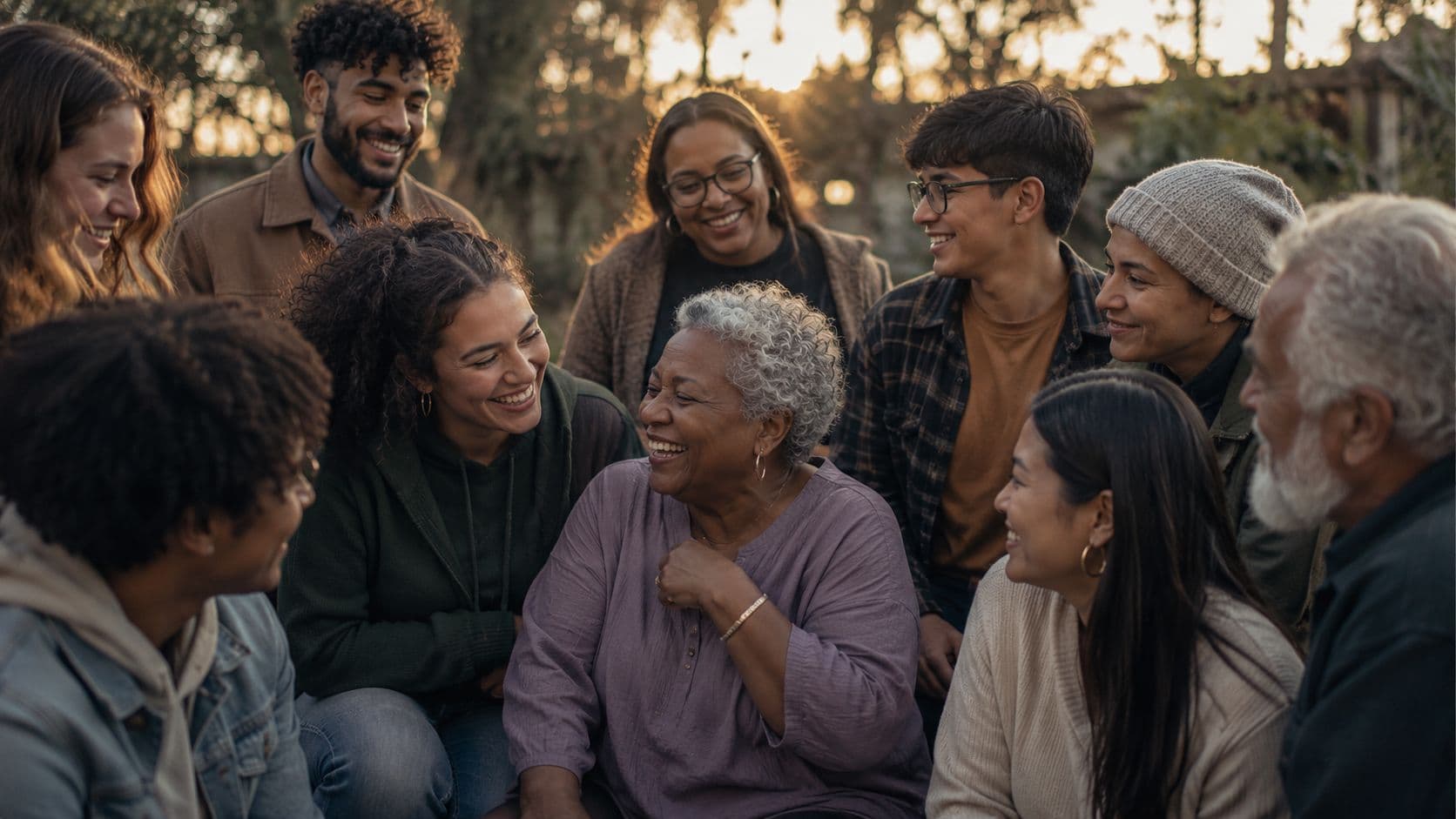
If liberty is an empty vessel, love, learn, and play are here to fill it. It is what every free society has discovered that it needs once the celebrations end and regular life resumes.
- In UEF’s Love, Learn, Play framework, love is more than romance. It is the deep work of connection that binds neighbors into communities and citizens into nations. Every one of July’s independence movements was, underneath the politics, an act of collective love, a refusal to let one’s people remain fragmented, unseen, or unheard. Liberty without universal love is hollow.
- Independence is never a finished achievement; it is a living document, rewritten with every generation that studies its own history, questions its own assumptions, and grows wiser for the questioning. Constant learning is what freedom actually requires to sustain itself.
- Play is the soul’s evidence that freedom has actually arrived. A nation does not throw parades, light fireworks, and dance in public squares because a law was signed. It does these things because something in the human spirit recognizes play as the truest proof of liberty. After all, celebration is not decoration on top of freedom. It is freedom, expressing itself.
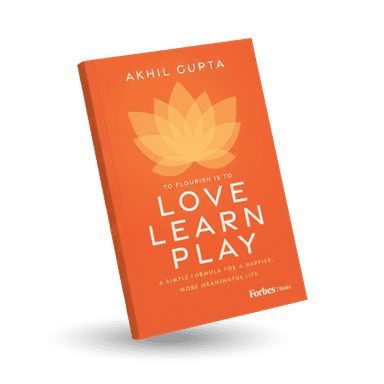
Love • Learn • Play
The formula for a meaningful life.
The Sacred Work of Celebration

There is a reason that every nation gathers year after year to mark the day it became free; that too, centuries later, even when the original revolutionaries are long gone, celebration is not just a mark of nostalgia but also maintenance.
Rejoicing is the practice that keeps freedom alive long after documents are signed and states are built. A nation that forgets how to celebrate its own liberty will also forget why it fought for it in the first place. This is the quiet and secret work of celebration. It turns history into inheritance and inheritance into responsibility. Every July, six nations take it upon themselves to remind the rest of the world that freedom, once won, must be continuously re-chosen, re-felt, and re-lived.
Conclusion
Independence was never about the date it was declared but about everything that it became afterwards. The loving, the learning, and the playing that free people choose for themselves rather than have chosen for them.
The deepest lesson July's six Independence Days offer us is that liberty is not a destination we arrive at once and keep forever. It is like a garden planted by people, brave enough to imagine something better and tended ever since by everyone who chooses each day to love a little more freely, learn a little more deeply, and play a little more joyfully within the freedom they have been given.
Similarly, the UEF Summer of LLP reminds us that the season of light and long days is an invitation to take the liberty our ancestors fought for and fully live inside it.