
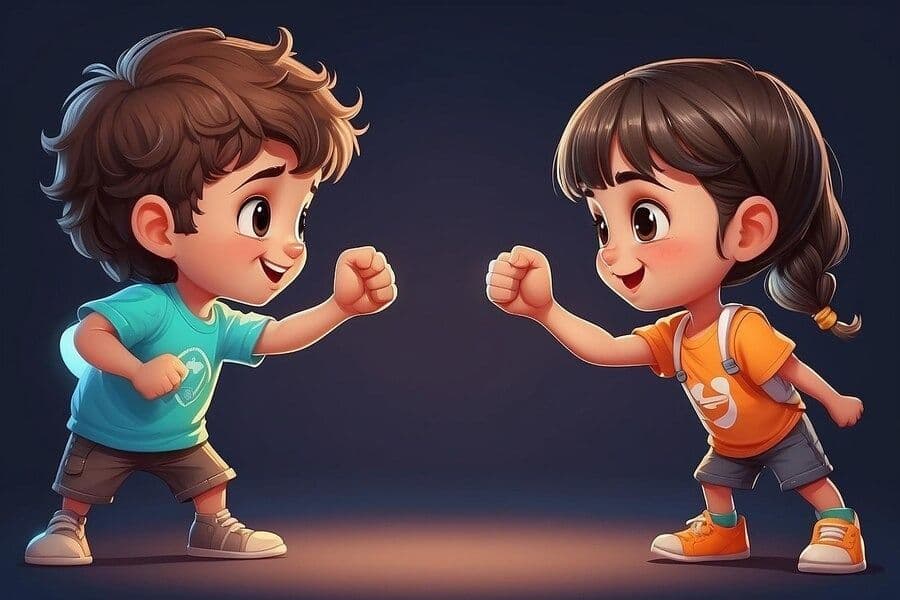

Sibling rivalry is a prevalent theme not just in modern households, but sibling conflicts are also in the narratives of cultures around the world, reflected through myths, religious texts, and moral teachings. This blog explores the depth and complexity of sibling rivalry across various cultures, examining its portrayal and the ethical lessons it offers. We will draw narratives of sibling jealousy and sibling aggression from biblical tales, ancient myths, and the reflections of religious and psychological thoughts to provide a thorough understanding of sibling conflict and analyse if sibling rivalry is normal.
What is Sibling Rivalry?
Sibling rivalry or sibling conflict refers to the competition, jealousy, or animosity that exists between siblings. While it can foster motivation and personal growth, it often spirals into destructive behaviours if not managed properly. This dynamic, marked by sibling competition, sibling jealousy, or even fighting siblings, is not a modern phenomenon but has been a part of human stories and conflicts throughout history.
Biblical Perspectives: Sibling Rivalry In The Bible
One of the earliest and most profound examples of sibling rivalry in the Bible comes from the story of Cain and Abel. This tale of sibling conflict is a cornerstone in Christian, Jewish, and Islamic teachings and offers the first glimpse into the dark potential of sibling animosity when Cain murders Abel out of sibling jealousy and spite. This story serves as a moral lesson on the consequences of unchecked envy and the importance of sibling responsibility.
Sibling Rivalry Quotes From Religious Texts
- Genesis 4:9 (Christianity): “Then the LORD said to Cain, ‘Where is your brother Abel?’ ‘I don’t know,’ he replied. ‘Am I my brother’s keeper?’”
- Mahabharata (Hinduism): “Hatred develops where there is a cause, and without a cause, it vanishes. And the cause is generally a wicked bent of mind due to envy.”
- Dhammapada, Verse 5 (Buddhism): “Hatred is never appeased by hatred in this world. By non-hatred alone is hatred appeased. This is a law eternal.”
- Qur’an 49:10 (Islam): “The believers are but brothers, so make settlement between your brothers. And fear Allah that you may receive mercy.”
These quotes about sibling rivalry highlight the recurring theme of sibling behaviour, responsibility and reconciliation, urging us to navigate sibling relationships with care and ethical consideration.
Mythological Depictions of Sibling Conflicts
Bloodline sibling rivalries in mythology often reflect the conflicts and tensions that exist within human societies, representing struggles for power, love, and acceptance. These stories of fighting siblings, while sometimes tragic, are steeped in moral and ethical questions that resonate across ages and cultures.
Enjoying this article?
Get UEF Insights. Writing on loving, learning, and playing, with insights from wisdom traditions and modern science delivered to your inbox.
1. Cain and Abel: Lessons from the Hebrew Bible
The story of Cain and Abel, one of the earliest examples of sibling rivalry, serves as a stark warning of the dangers of envy and anger. After Cain’s offering is rejected by God in favour of Abel’s, Cain’s jealousy leads to the ultimate crime: fratricide. This narrative not only highlights the severity of sibling aggression and Cain’s actions but also poses the ethical question of responsibility to one another and care within sibling behaviour, encapsulated in Cain’s famous retort, “Am I my brother’s keeper?”
2. The Kauravas and Pandavas: A Tale from the Mahabharata
In Hindu mythology, the sibling conflict between the Kauravas and the Pandavas illustrates the destructive consequences of greed and dishonesty. The intense jealousy of the Kauravas towards their cousins culminates in the epic battle of Kurukshetra. This story teaches the importance of righteousness (dharma) and how to deal with sibling rivalry and ethical dilemmas to maintain social order and moral governance.
3. Romulus and Remus: Founding Myth of Rome
According to Roman mythology, the city of Rome was founded through an act of fratricide. Romulus and Remus, twin brothers raised by a she-wolf, were involved in a bitter dispute over where to establish their city. Romulus killed Remus during a fit of rage, an act that underpins the violent struggles often involved in the founding of a new order. This legend poses critical ethical questions about sibling rivalry in adulthood, ambition and the cost of progress.
4. Thor and Loki: The Norse Gods
In Norse mythology, Thor and Loki are not siblings by blood but are bound by a sworn-brother oath, which gives their relationship a sibling-like dynamic of loyalty, tension, and rivalry. Loki, the son of the giant Fárbauti, and Thor, the son of Odin, come from entirely different lineages, yet their bond plays out across the myths as one of constant friction. Loki's cunning tricks and deceit repeatedly clash with Thor's straightforward strength, mirroring the kind of conflicts found between fighting siblings. Their stories teach about the balance of opposing personal traits and how chaos and order are both necessary for the world's harmony.
Psychological Interpretation of Sibling Aggression
Sibling rivalry has also been studied from a psychological perspective, highlighting its role in personality development and social behaviour. Freud’s theories suggest that sibling rivalry shares roots with the Oedipal complex, intertwining with our deepest familial emotions and conflicts.
Modern psychologists continue to explore what are the causes of sibling rivalry, which often cite sibling behaviour factors like perceived inequality, personality clashes and developmental stages. This knowledge is important for parents to raise siblings without rivalry.
The Cultural Impact and Moral Lessons
The tales of sibling rivalry, while often tragic, are instructive. They teach us not only why siblings fight so much but also the importance of virtues such as humility, forgiveness, the need for ethical conduct, and living as siblings without rivalry. In many stories, the resolution of sibling conflict often leads to personal growth and societal harmony, emphasising the benefits of resolving disputes through understanding and compassion.

Love • Learn • Play
The formula for a meaningful life.
Conclusion: Learning from the Past
Sibling rivalry often reflects deeper human emotions such as insecurity, comparison, the need for validation, and fear of missing out.
Even when we look at sibling rivalry in the Bible, history tells us that unchecked envy can hurt not only relationships but also families and societies in general.
Psychologists who study modern sibling rivalry tell us that conflict between siblings is not always a sign of broken relationships. At times, it can be a cry for recognition, emotional safety, love, or fairness. When families make an effort to encourage empathy instead of comparison, siblings will learn to become allies instead of competitors.
Ancient wisdom and modern psychology agree on one thing: relationships heal when people feel heard, valued, and emotionally secure.