
FLOURISHING · PLAY
Play
The Importance of Being Playful – a deep dive
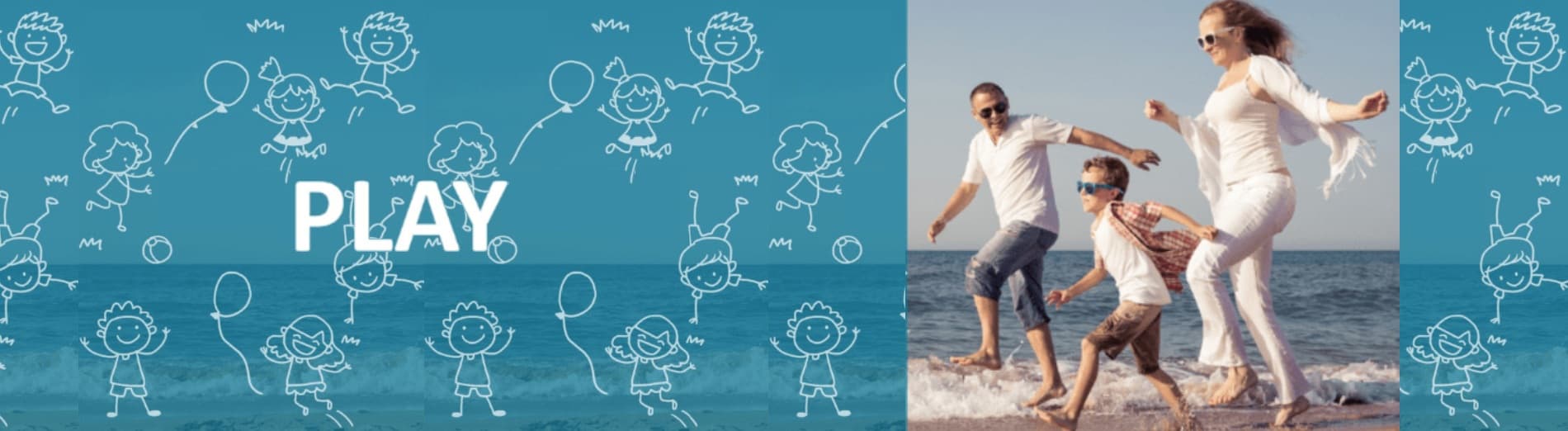
“This is the real secret of life, to be completely engaged with what you are doing here and now. And instead of calling it work, call it play.”
The Importance of Being Playful
“This is the real secret of life, to be completely engaged with what you are doing here and now. And instead of calling it work, call it play.”
— Alan Watts
“Play is often talked about as if it was a relief from serious learning, but for children, play is really the work of childhood.”
— Fred Rogers
Think back to childhood: the forts, the treasure hunts, the made-up games, the sheer energy of running around because the activity itself was intrinsically compelling and fulfilling. Those moments felt alive because they were play.

Watch
Watch Videos on Play
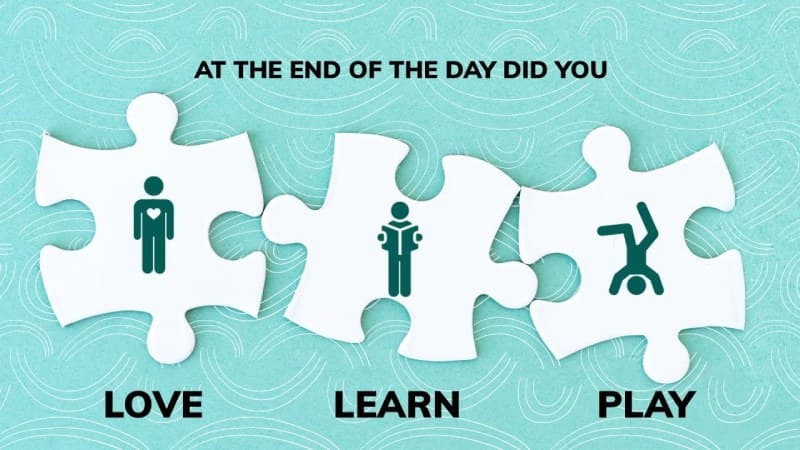
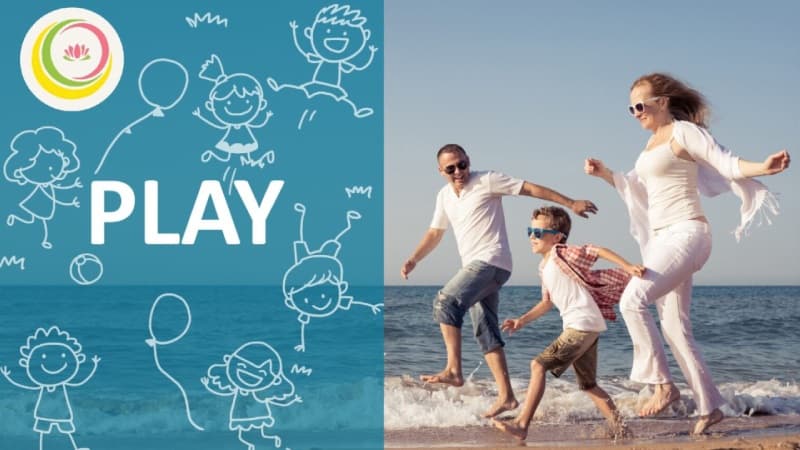
During play, new neural connections in the brain are created which are critically important for cognitive and emotional development.
Play is a means for children to learn and love and for adults as well. Play is an essential way of learning about the world. Doing things because we enjoy them, even when there is no goal in mind, leads us to discover new information, open new vistas, and find unexpected beauty.
Play is a complex and multifaceted concept that goes beyond its superficial definition or obvious expression. It has deeper connotations related to creativity, learning, social interaction, personal expression, well-being, spirituality, and cultural significance.
Play can also be a highly social activity that facilitates social development and fosters harmonious living. Durkheim’s collective effervescence captures the charge people feel when they cheer together, dance together, or gather in rituals and celebration.
Why Play Matters
Scientists across disciplines have studied the importance of play in brain development, and the role of play in creativity, innovation, and health in humans and other species.
Play is intrinsically self-motivated, not coerced or forced. It is an act or set of actions done for their own sake, and it is observed across various animal species as well as among humans.
Gordon Burghardt’s work on animal behavior distinguishes play from purely utilitarian action. Play is often repeated, spontaneously generated, and exploratory; it opens us toward the unfamiliar and the unknown.
The science of play
Stuart Brown & the National Institute for Play
Physician and researcher Dr. Stuart Brown has devoted decades to understanding play in human lives and in other animals. He founded the National Institute for Play and wrote the book Play, bringing the importance of play throughout life to a wider audience.
The Institute brings together research on play and translates it for everyday life, education, and work. Its central idea resonates with UEF’s Love, Learn, Play mindset: play deserves a place throughout our lives, including adulthood.
Brown emphasizes the experience behind an activity. The same game, dance, or creative project can feel playful to one person and like an obligation to another. Choice, enjoyment, and absorption help us recognize the difference.
Across the Lifespan
Expressions Shift at Each Stage of Life.
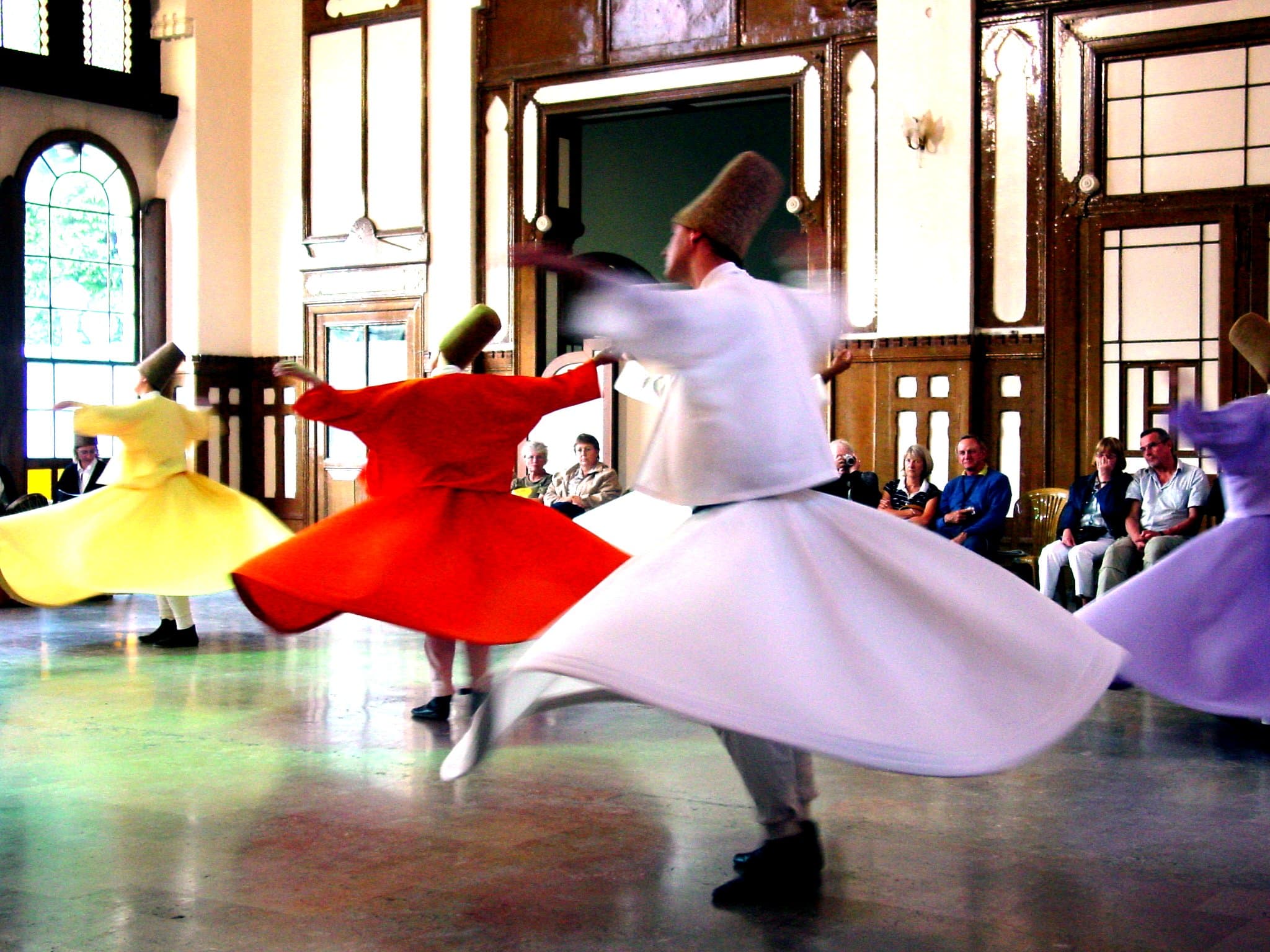

Love · Learn · Play, in motion
Find your way into the dance.
Move for the joy of it. Explore contemporary dance and a simple invitation to start moving in your own way.
Explore dancePlay, Community, and Renewal
The deepest form of play is often described as flow: complete absorption in an activity for its own sake, where effort and ease dissolve and the doer and the doing become one.
Play can be expressed in personal life, friendship, sport, art, work, community, and public life. It is not only for childhood and not only for leisure.
Lila captures this well: in many Hindu traditions, the cosmos itself is described as divine play. Existence is not a problem to be solved but a creation to be participated in, lightly.
Play as social and cultural renewal: festivals, ceremonies, sport, music, and dance bind communities, soften conflict, and refresh the collective spirit. Where play disappears, isolation and burnout tend to follow.
Most religious and spiritual traditions hold a place for play, joy, and celebration — feast days, Sabbath rest, devotional dance, pilgrimage, ritual humor. That shared emphasis becomes one more bridge across traditions.
Further Reading