
Introduction
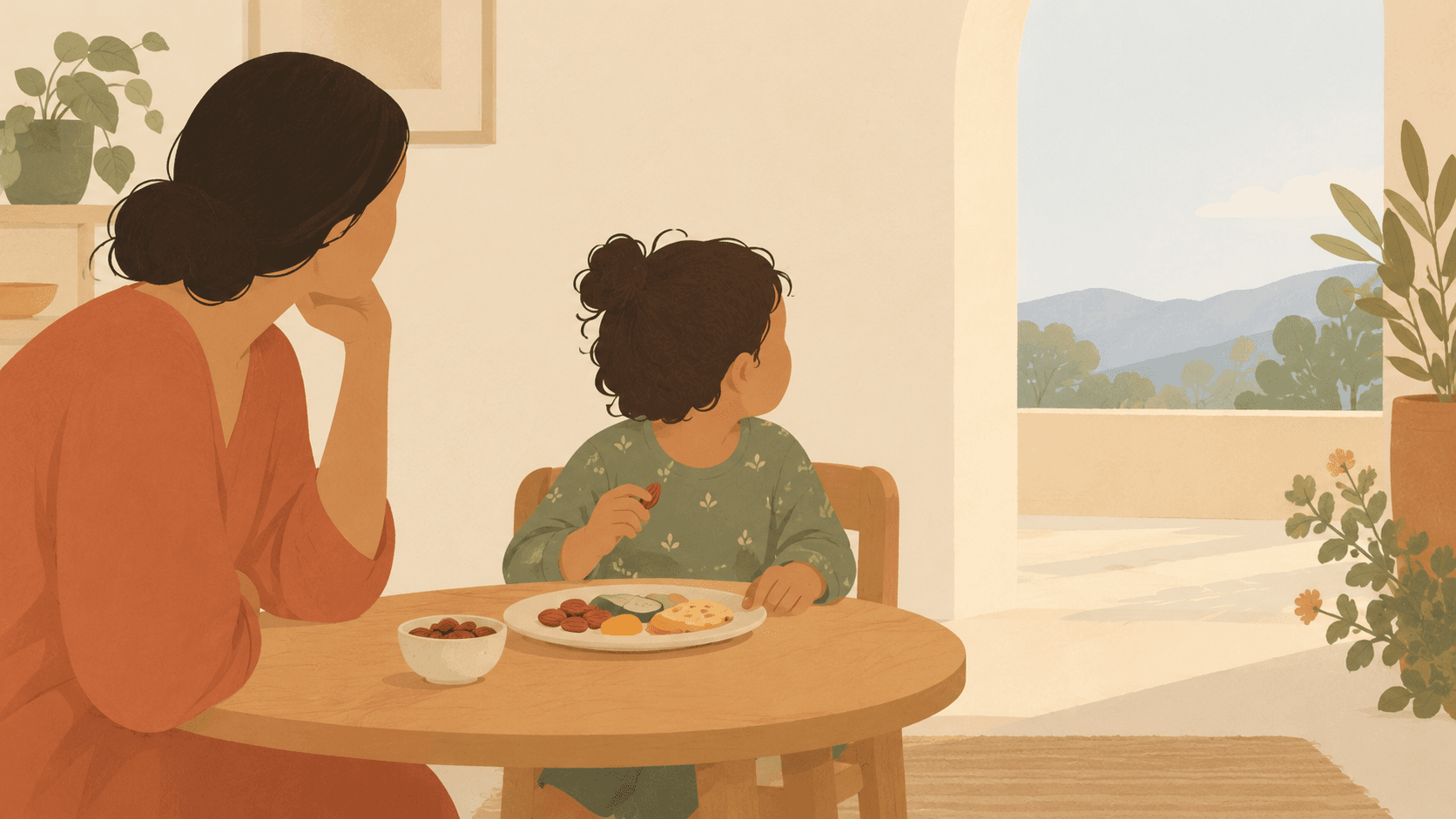
The phrase "almond mom" grew from a television clip in which a hungry teenager was advised to eat a few almonds. It now describes a parent who passes restrictive ideas about food, weight, and appearance to a child.
An almond mom is not simply a villain. She may be repeating standards learned from a culture that treats control as care and optimization as love. The same pressure can extend beyond food to grades, activities, and achievement. Wisdom traditions did not use this modern label, but they have long considered the deeper question beneath it: what does it mean to raise a child well?
What Is an Almond Mom, and Why Does It Matter?
The almond mom meaning is more specific than being a strict parent.It describes a caregiver whose words and behaviors can teach children to fear food, weight gain, or bodies outside of a narrow ideal. Such attitudes can influence a child’s view of food and of their own body.
So, what is an almond mom, and how does it affect children? The concern is not an occasional imperfect comment. It is the repeated message that control and appearance matter more than hunger, health, or trust in the body.
The answer is not another perfect method from the latest parenting books. It begins with noticing the child in front of us.
How Wisdom Traditions Define Good Parenting
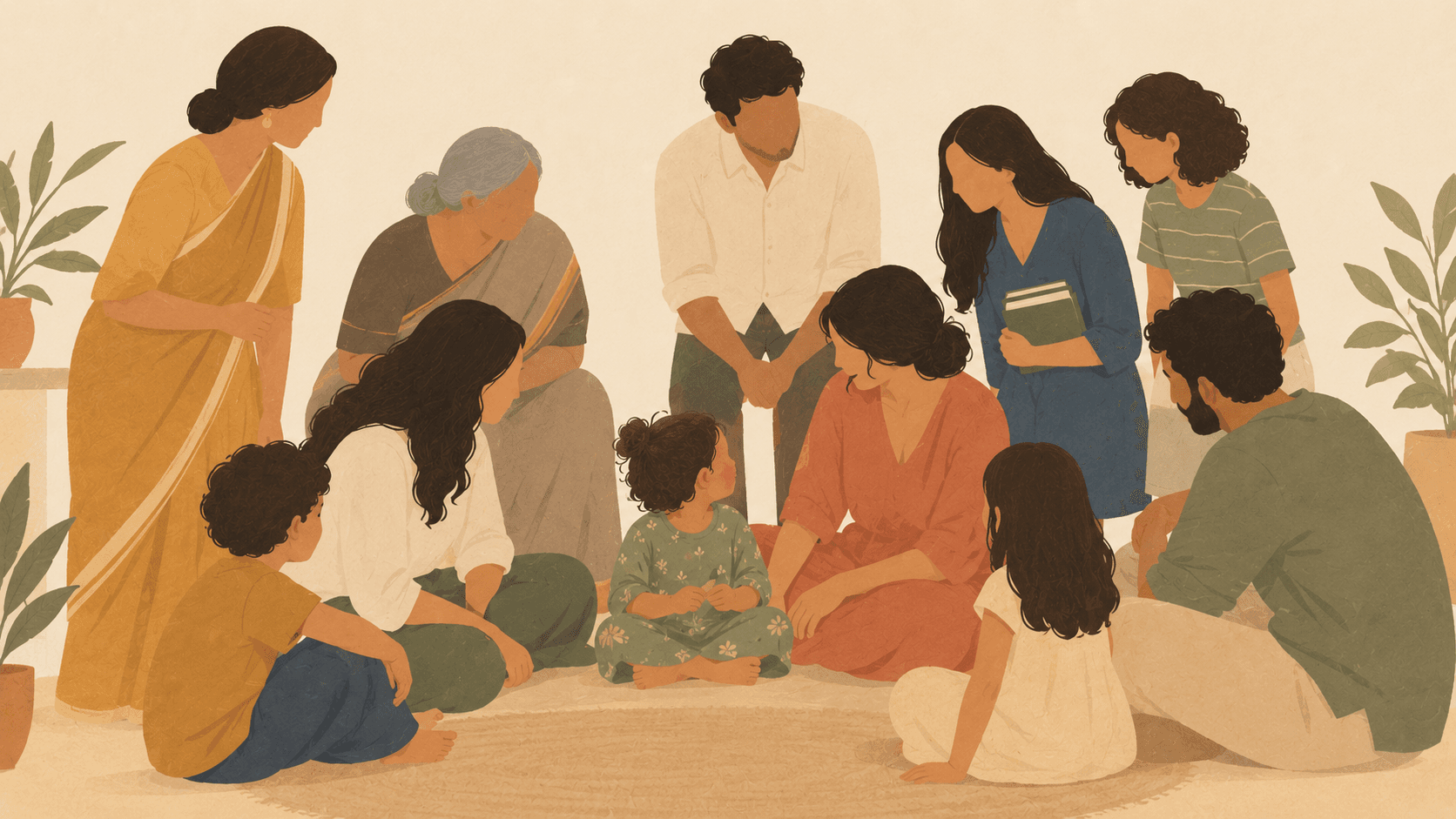
Wisdom traditions do not share the same philosophy. Their aims and practices are different. But parenting across cultures shows that care may be expressed through the individual, through the family or through the wider community.
The old adage “it takes a village to raise a child” is attributed to African proverbs, but its true origin is uncertain. In parenting, “it takes a village” means that raising children is a community effort. Relatives, neighbors, teachers, and elders are all sources of care, guidance, and support.
In Confucian traditions moral formation centered around learning, family responsibility, and respect. The Buddhist teachings on compassion and non-attachment can help parents to respond to emotion without seeing a child as a possession or a personal project. Inuit child-rearing accounts tell of stories and playful questions used to teach consequences and emotional control.
Enjoying this article?
Get UEF Insights. Writing on loving, learning, and playing, with insights from wisdom traditions and modern science delivered to your inbox.
Some Scandinavian approaches give children greater independence and more time outdoors. These cultural differences in parenting are not applicable to every family in a region.
Love: What Children Need Most According to Ancient Traditions
Parental love is sometimes confused with removing every difficulty, though it has more in common with the law of detachment. Yet children also need the confidence to face disappointment, repair mistakes, and make age-appropriate choices. Raising resilient children needs both warmth and boundaries.
Love in UEF’s Love, Learn and Play approach is expansive, interconnected, and not possessive. It recognizes that children grow in relationships, but it lets them become separate persons.
Listening before responding, setting boundaries without humiliation. Gentle parenting and conscious parenting often use similar language around connection and awareness.
Gentle parenting centers on responding to a child's emotions with empathy rather than punishment or shame. It prioritizes understanding the reason behind a child's behavior before correcting it. Conscious parenting takes this further, asking parents to examine their own unresolved patterns before placing expectations on a child.
Learn: How Children Are Meant to Learn Across Cultures
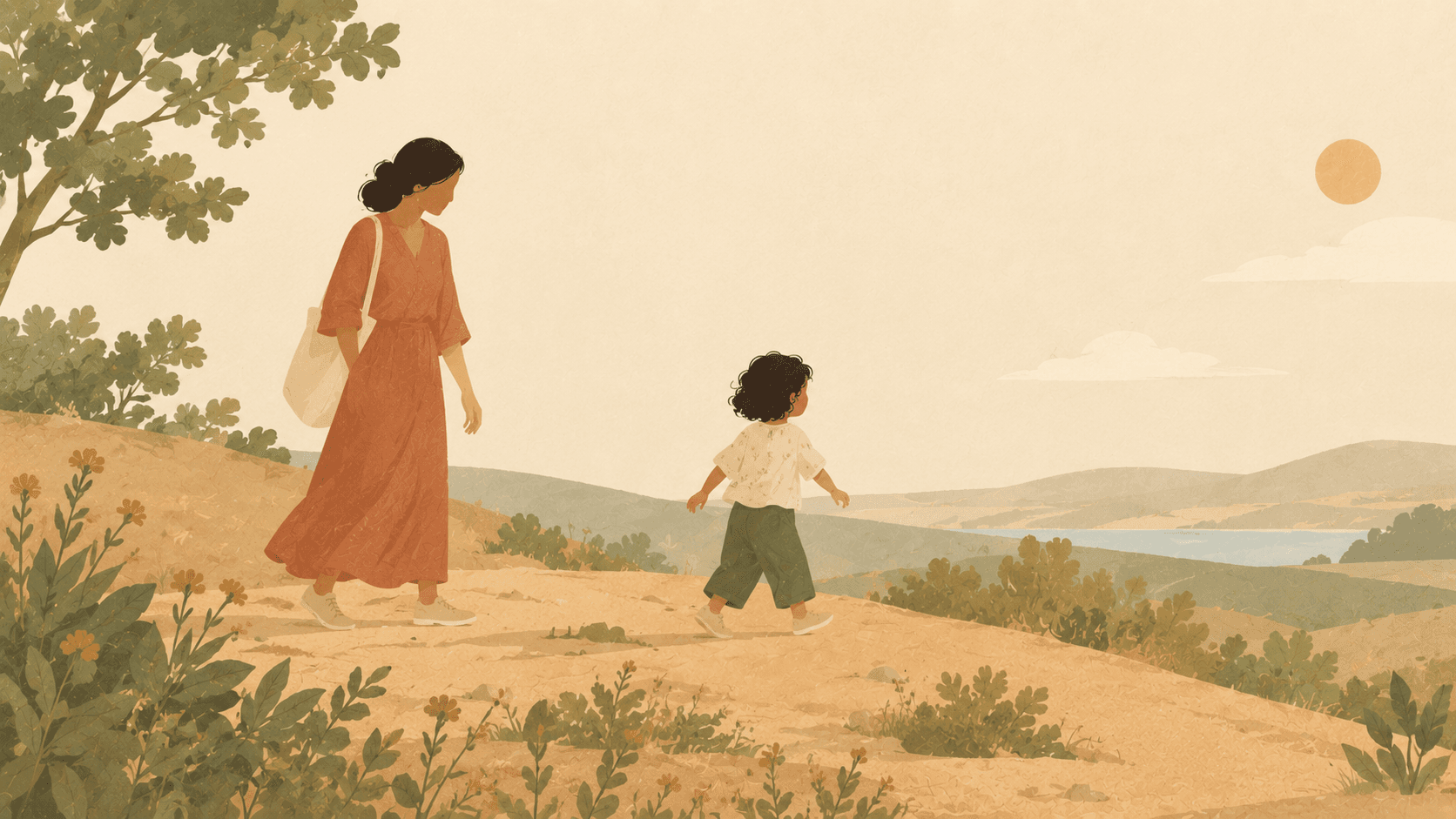
Learning is not only memorization. A child learns by watching, asking, copying, trying, and making mistakes.
Many Indigenous oral traditions are shared through stories and talks with elders, but practices differ between communities. The Socratic method centers on questioning assumptions and drawing out knowledge through dialogue. In the Vedic gurukul tradition, students lived with and studied with a teacher. These are different parenting philosophies, but each one puts learning in a relationship.
Play-based learning is another way for children to learn about the world. Good parenting wisdom allows room for these discoveries, rather than turning every moment into formal instruction.
Learning also moves both ways. Children’s questions reveal answers adults have taken for granted. Children’s needs are changing, and parents need to rethink old assumptions about authority, success, and control.
Play: Why Play and Learning Belong Together
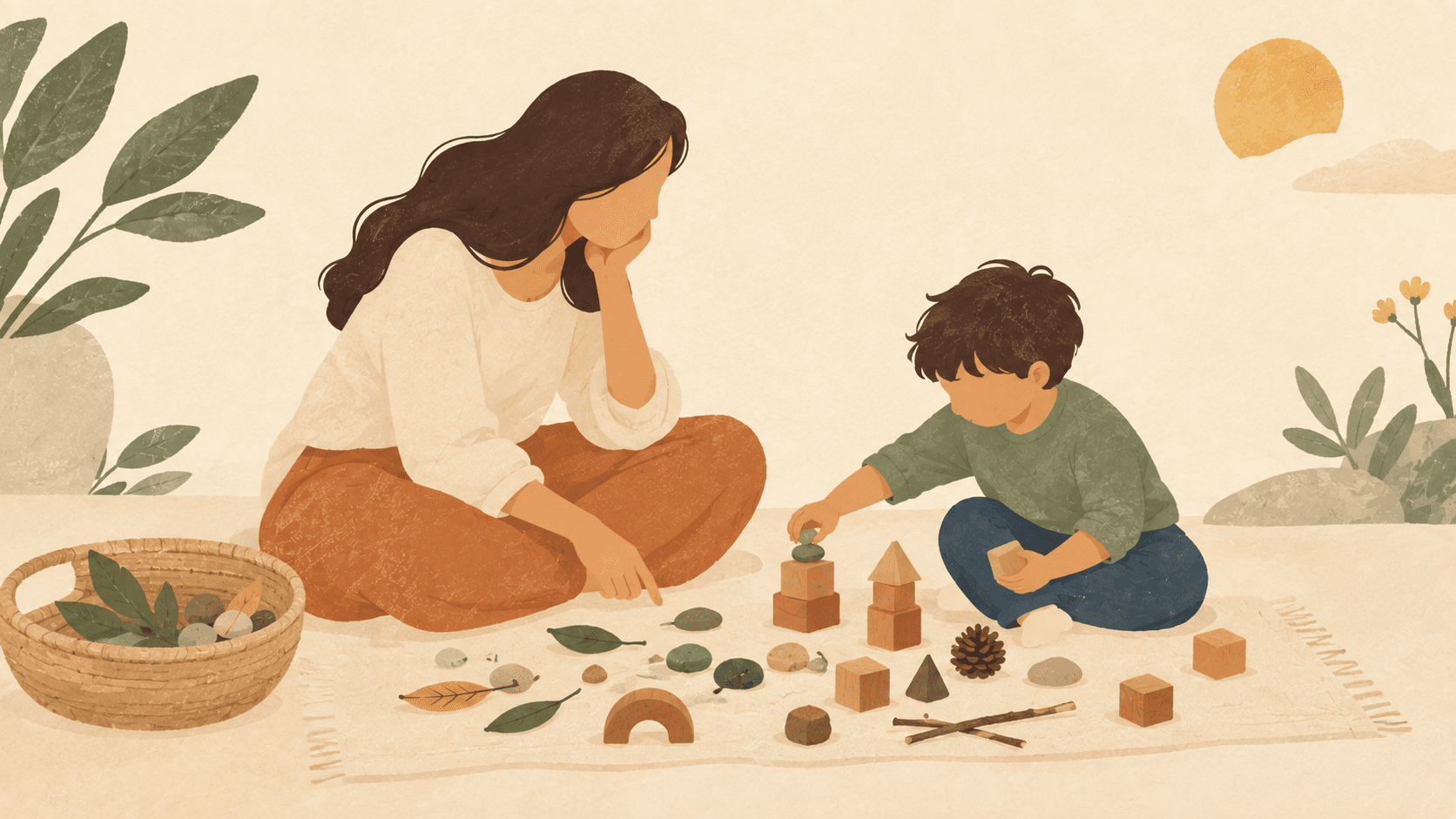
Play is not an empty time between useful activities. It is one of the ways children practise language, movement, imagination, cooperation, and problem-solving. Research summarized by UNICEF on free play also connects it with cognitive, physical, social, and emotional development.
During unstructured play, children choose the direction, change the rules, and resolve small problems. UEF’s discussion of the importance of being playful explains how play supports child development without reducing it to a tool for productivity.
Love • Learn • Play
The formula for a meaningful life.
In some Indigenous communities, children also learn through observation, participation, and play. The Greek idea of scholē referred to leisure used for thought and learning. Play researcher Stuart Brown has also argued that play supports curiosity, adaptability, and social connection. When play is repeatedly restricted, children lose time to direct their attention, test ideas, and practise independence. The same qualities of patience, attention, and play that shape childhood also appear in how many people care for animals, though the two roles are not the same.
What Children Give Back: The Reverse LLP
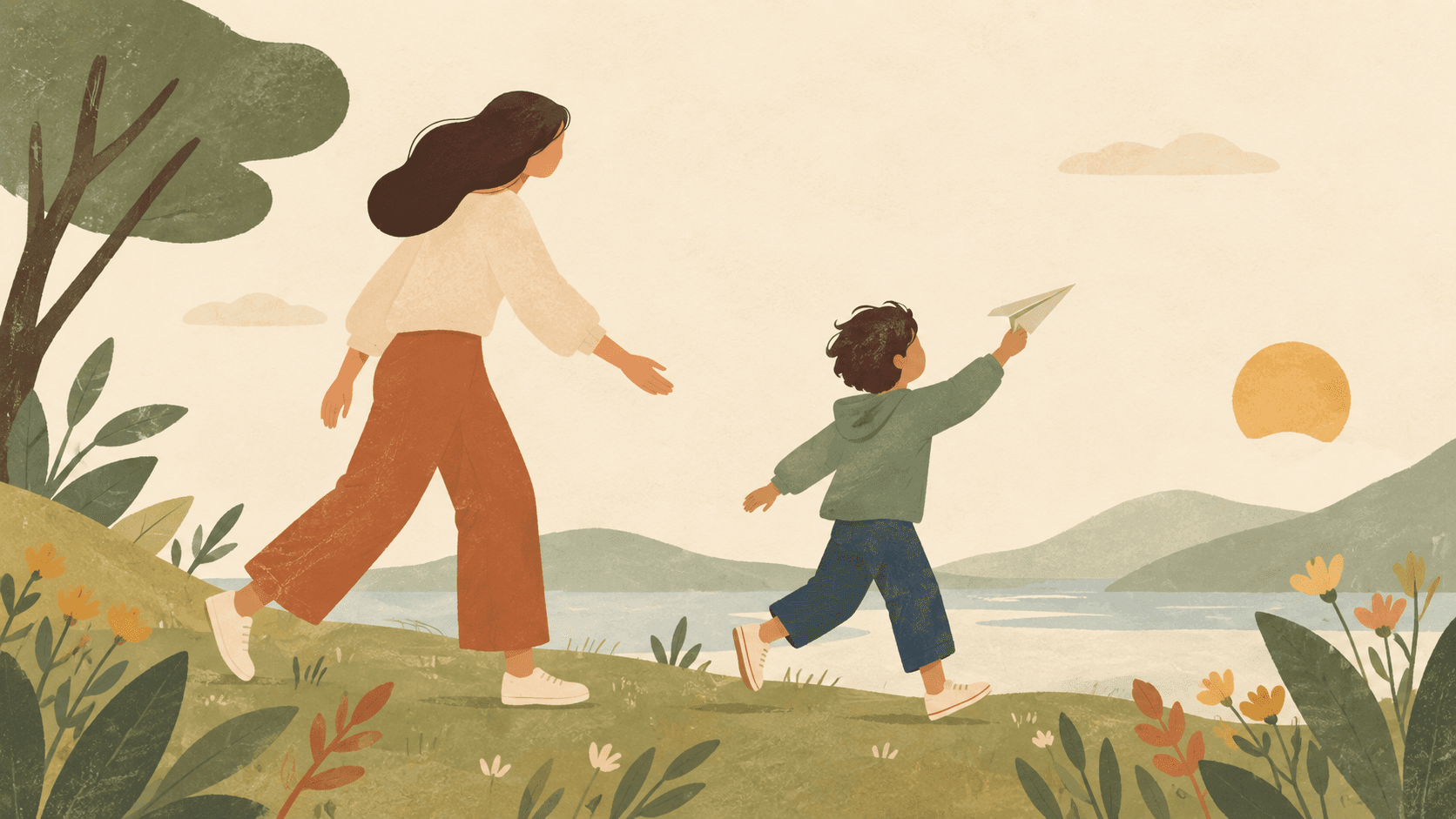
Parents teach children how to move through the world, but children also return adults to parts of life they may have neglected. A simple question can reopen curiosity. A game can interrupt the belief that every hour must produce something.
This is the reverse movement of Love, Learn, and Play. Children receive care and guidance while offering presence, wonder, and playfulness in return. Both generations can contribute to human flourishing.
Conclusion
The answer to the almond mom problem is not a different kind of perfect parent. It is a parent who pays attention, questions inherited habits, and leaves room for the child to become their own person.
Traditions vary in their attitude to authority, independence, and education. But many realize that children grow through relationships, shared learning, and play. The Love Learn Play framework offers one way of understanding what parenting across traditions has long pointed toward. To raise a child well is to give love without possessing, to teach without making childhood a show, and to play without asking for a result.