
Ritual
Sacred Spaces and Objects: Meaning, Examples, and Significance
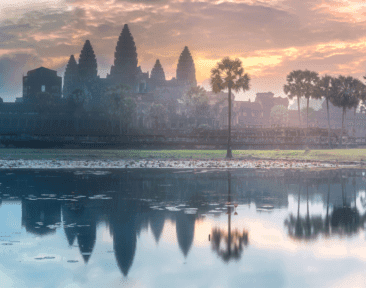
There are places like that. You enter and something inside you changes. It could be a temple with chanting, or a church with silence, or a riverbank where people come to pray. Nothing spectacular happens, but the place feels different.
The sacred space meaning is more apparent when we consider what makes these places different. A simple sacred space definition is that it is a place that is known for its spirit or religious significance. A sacred place of worship may be a temple, church, mosque, monastery, shrine, or pilgrimage site. When you set aside a quiet corner of your home for prayer or meditation, it too becomes a sacred space.
So what makes a place sacred? It could be linked to the divine, a major religious event, a respected person, or generations of worship. Such sacred spaces may include symbols, ritual tools, and other sacred items. Every holy object is the material expression of a spiritual belief. The place and its objects are a stimulus for reflection, devotion and inner transformation.
Key Takeaways
- What is a sacred space in religion? It is a place reserved or recognized for prayer, worship, pilgrimage, meditation, or another spiritual purpose.
- Sacred objects support worship by giving people a visible or physical way to express their beliefs.
- Places and objects matter because they can encourage reflection, sustain religious traditions, and make spiritual practice part of everyday life.
Spiritual Symbolism and the Power of Sacred Objects
What is a sacred object? It is an object that is regarded as sacred or spiritually significant in a religious tradition.
Sacred objects make beliefs visible. During worship, a person might be chanting while holding prayer beads, bowing before an image, reading from a revered scripture, or lighting a lamp. These sacred items hold meaning because of the beliefs, stories, and practices associated with them.
Some examples of sacred things that are found across religious traditions include:
- A cross in Christianity, representing Jesus' crucifixion and hope of redemption
- Torah scrolls in Judaism, containing sacred law and teachings
- Prayer beads across Christianity, Islam, Hinduism, and Buddhism
- A murti in Hinduism, a sacred representation through which the divine is worshiped
- A statue or image of the Buddha, used for reflection on his teachings
- A prayer rug in Islam, a consecrated surface for daily prayer
- A menorah in Judaism, carrying religious and historical significance
- A ceremonial lamp in Hindu, Buddhist, and Jain traditions, symbolizing light and wisdom.
Even sacred words from religious texts and chants have symbolic weight. Spoken, sung, or chanted, they set the tone for worship and draw the mind toward stillness.
That is why when you walk into a monastery, a shrine, or even a quiet riverside, the environment itself calls for stillness. It invites reflection. Something in you begins to settle.
Their power is also in the faith and belief that these objects can help us to gain spiritual benefits. A sacred object can be a powerful source of comfort and strength when we believe that it can help us to connect with God or the divine.
Sacred Spaces as Catalysts for Spiritual Growth and Maturity
Sacred places are doorways. There are many places in the world that are sacred to the Abrahamic religions. For example, Jerusalem is one of the most important sacred places in Judaism. It is also an important holy site in Islam and one of the sacred places in Christianity because of its association with the life, crucifixion, and resurrection of Jesus. Other holy places in Christianity are churches, chapels, monasteries, and places of pilgrimage. Similarly, Mecca and Medina are very important in Islam, while in India, the Char Dham pilgrimage represents a journey towards liberation.
A sacred place’s meaning goes beyond geography. It is any site recognized as spiritually significant, a place where people can feel closer to the divine. Temples, synagogues, churches, and mosques act as gateways to these higher experiences. Within them, the importance of ceremonial objects in religion becomes clear:
- Torah scrolls carefully preserved
- Crosses placed at the heart of churches
- Prayer rugs aligning the body toward devotion
- Intricate calligraphy reflecting divine words
These are examples of many types of objects that people regard as spiritual objects. Each one carries history, intention, and belief. Such environments can nurture spiritual growth and maturity. They remind us that growth is not always loud or visible. These places support spiritual growth through prayer, reflection, and devotion.
Holy Objects and Sacred Items: What They Are and Why They Matter
What is a holy object? It is an object of religious or spiritual significance to a person or a group. Religious objects may also be known as holy objects, sacred symbols, ritual objects, or devotional items, depending on the tradition.
A holy object may be used in prayer, worship, meditation, or religious ceremonies. Such sacred items can be scriptures, prayer beads, lamps, statues, or ceremonial garments. These religious items are points of focus for devotion and a way to experience a sense of connection with the divine.
These objects matter because of their associated beliefs, history, and practices. They also help to keep traditions alive and to pass their meaning on from one generation to the next.
Spiritual Disciplines and the Role of Sacred Places in Development
Sacred places and objects come alive and pave the way for spiritual transcendence through disciplines such as:
- Prayer
- Rituals
- Chanting
- Silence
- Spiritual meditation
- Ritual clothing worn during worship
Many people regard the Ganges River as sacred and filled with divine energy. In Buddhism, the Bodhi tree, the Dharma wheel, and the Stupa are revered symbols often reflected in art and scriptures. Christians also consider sacraments as physical expressions of blessings and grace.
Almost all religions mark boundaries to create a separation between the sacred and the secular. They are icons that help us simplify abstract concepts to redirect our focus toward something beyond. Their power lies in what they symbolize. Sacred rituals may also include symbolic fire, representing purification, light, and divine presence.
Sacred Sites Across Religions: Icons of Spiritual Energy
Sacred places do more than mark geography. They remind believers of higher truths like morality, mercy, and divine justice. But the deeper question is how those truths actually take hold in a person. Across traditions, the answer keeps coming back to ritual.
Christianity
Many sacred places in Christianity are connected with the life, crucifixion, and resurrection of Jesus. One such place is Golgotha in Jerusalem, which still holds spiritual significance for Christians.
“[Jesus] went out, bearing His own cross, to the place called the Place of a Skull, which is called in Hebrew Golgotha." - The New Testament (John 19:17), Christian text
Islam Sacred Text
The holiest city in Islam is Mecca. At the center of its sacred landscape is the Ka‘ba. Muslims all over the world turn toward it during their daily prayer and journey there on pilgrimage when they are able.
“[The Ka’ba was] the first House [of worship] established for mankind.” - The Qur’an (3:96), Muslim text
Baha’i
Baha’i houses of worship are constructed as places of prayer open to people of all faiths. Their aim is akin to the Baha’i emphasis on unity, inclusion, and the oneness of humanity.
“In brief, the original purpose of temples and houses of worship is simply that of unity, places of meeting where various peoples, different races, and souls of every capacity may come together in order that love and agreement should be manifest between them.” - ‘Abdu’l-Bahá, Baha’i leader
Hinduism Sacred Text
Hinduism recognizes many sacred rivers, temples, pilgrimages, and cities. Kashi (also called Varanasi) is especially significant as a place associated with purification and liberation.
“Pre-eminent among all sacred fords, the best of places, superior to all knowledge, this is my place, the supreme Avimukta. Within this area are to be found sanctuaries, purifying fords, and shrines in cremation grounds surpassing those in other divine spots on earth.” - Kurma Purana, Hindu text
Buddhism
Sites associated with the life of the Buddha have developed into important centers of Buddhist pilgrimage, encouraging contemplation of his teachings rather than mere veneration of a place.
“With the right attitude, any journey to a sacred place becomes a pilgrimage. In our tradition, the Buddha advised that in times to come people interested in his teachings should be told about the places associated with the major events of his life. His purpose was not to ensure the aggrandizement of the person of the Buddha but rather the welfare of his followers.” - The Dalai Lama
Christianity: Sacred Spaces
Churches, chapels, and monasteries are significant sacred places in Christianity. They include things like baptism and Holy Communion, in which faith is expressed through physical acts and in community.
“This new life is spread not only by purely mental acts like belief but also by bodily acts like baptism and Holy Communion. It is not merely the spreading of an idea; it is more like evolution, a biological or super-biological fact.” - C.S. Lewis, writer and Christian theologian
Islam: Sacred Practice
Islamic worship brings belief into daily practice through prayer, fasting, charity, and pilgrimage. These acts link individual devotion with the larger community of faith.
“We have appointed acts of devotion for every community to observe.” - Qur’an (22:67-69), Islamic text
Confucianism
In Confucianism, rites regulate behavior and solidify social bonds. It is more than a form that is followed but a cultivation of benevolence and self-discipline.
“To return to the observance of the rites through overcoming the self constitutes benevolence.” - The Analects (12:1), a Confucian text
Hinduism: Sacred Practice
Practices such as worship, offerings, charity, pilgrimage, and penance are part of Hindu traditions. Such acts can become a means of purifying intention and living by spiritual duty.
“Actions based upon sacrifice, charity, and penance should never be abandoned; they must certainly be performed. Indeed, acts of sacrifice, charity, and penance are purifying even for those who are wise.” - The Bhagavad Gita (18:5-6), Hindu text
Buddhism: Sacred Practice
Buddha teachings emphasize the importance of moral behavior, meditation and disciplined practice. They also warn against the assumption that the rituals are sufficient if the attachment and self-will remain the same.
“Not by rituals and resolutions, nor by much learning, nor by celibacy, nor even by meditation can you find the supreme, immortal joy of nirvana until you extinguish your self-will.” - The Buddha
Daoism
Daoist teachings, for instance, often differentiate between natural, effortless action and coerced behavior. Ritual based on pressure, rather than true inner alignment, loses its deeper value.
“Higher ritual involves effort, and should it meet with no response, then it threatens and compels." - Tao Te Ching, Daoist text
The sacred works on us through what we do, not only through what we think. This is why temples, prayer rugs, beads, and chants matter so much across the world's religions. They are not just symbols of devotion. They are the instruments of it.