
Introduction
The world makes it a point to teach us to keep going. Work a little harder, stay available a little longer, and fill every empty space with another notification, meeting, and responsibility. Somewhere along the way, rest has become something that we have to earn. Yet, long before there were smartphones and deadlines, people across cultures had inferred a remarkable understanding.
Human beings cannot function without pausing. Across different centuries and continents, faiths and traditions have created sacred moments where work is supposed to stop, noise should soften, and the soul should breathe. Some call it Shabbat, while others call it Lord's Day or Jumu’ah. The practices might be different, but the wisdom is the same. Life flourishes in rhythm, not in relentless motion. Therefore, the deepest Sabbath meaning is that one day each week, you have to remind yourself that your worth is not measured by your productivity.
What is a sabbath?
So what does the Sabbath mean? A Sabbath is a sacred day or period set aside for rest, worship, and reconnection, a deliberate pause from work observed in many of the world’s religions. It could be time for God. For a loved one. For the community. For you. If you've ever wondered what the Sabbath is, just read along. It is a sacred time that is intentionally set apart to reconnect with what matters most. It could be God, your loved ones, community, or yourself.
The Sabbath day meaning refers to an invitation to remember that life is meant to be experienced and not merely completed. The word Shabbat is a Hebrew word that comes from Shavat, which means to cease or to stop. This simple idea carries such extraordinary wisdom.
Shabbat, The Jewish Sabbath
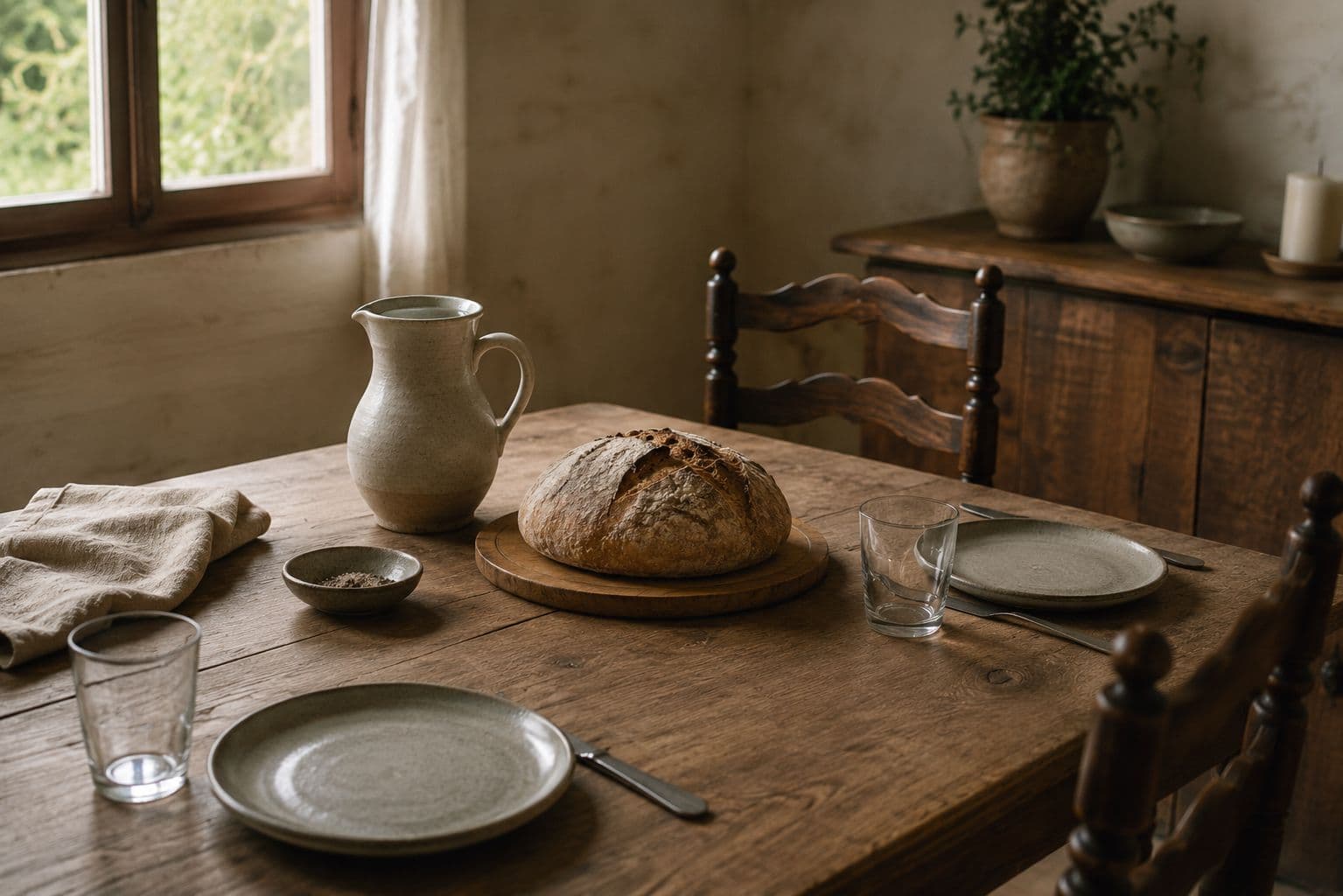
Shabbat is the clearest expression of sacred rest. Beginning at sunset on Friday and ending after nightfall on Saturday, Shabbat transforms ordinary time into holy time. This is when families gather around the table, candles are lit, prayers are shared, and work is intentionally set aside.
Enjoying this article?
Get UEF Insights. Writing on loving, learning, and playing, with insights from wisdom traditions and modern science delivered to your inbox.
When you understand what Shabbat meaning, you also understand why this tradition has endured for so many years. It is all about making space for what truly deserves your attention. Relationships, reflection, gratitude, and presence. Today, the Jewish Sabbath remains one of the world's most beautiful reminders that stopping is not laziness but trust
The Christian Sunday is the Sabbath, Saturday or Sunday?
One of the most common questions that gets asked by people is, is the Sabbath Saturday or Sunday? The Sabbath in the Bible refers to the seventh day, or Saturday, which is also known as the Jewish Sabbath. Most Christians, however, gather on Sunday, which is also called the Lord's Day, to commemorate the resurrection of Jesus Christ. While practices can vary between different denominations, Sunday has become Christianity's primary day for worship, prayer, and spiritual renewal. So when people talk about Sabbath vs Sunday, the answer has its nuances. Saturday continues to remain the biblical Sabbath, while Sunday has become Christianity's weekly day of communal worship.
UEF explores it in its lesson on belief in a higher power, that sacred pauses create a safe space for deeper trust, purpose, and perspective.
What Does Rest Look Like in Islam, Buddhism, and Hinduism?
Many faiths have developed sacred rhythms that honor rest and reflection.
- Islam; Jumu'ah
Jumu'ahis Islam's Friday congregational prayer. It brings the community together in worship. Unlike Shabbat, it's not a full weekly day of rest, but Muslims continue their daily responsibilities after prayer. Jumu'ah reminds believers to pause, gather, remember God, and realign their minds and hearts before returning to their daily life.
- Buddhism; Uposatha
In Buddhism, Uposatha refers to the observance of days that are connected to the lunar calendar. These days are reserved for meditation, ethical reflection, simplicity, and a renewed commitment to the Buddhist path. Instead of withdrawing from life, practitioners return to it with greater awareness.
- Hinduism; Ekadashi.
Ekadashi is observed twice in every lunar month. It is dedicated to fasting, prayer, and self-discipline. Beyond Ekadashi fasting, the deeper Ekadashi meaning rests in creating space between desire and action. It denotes that our souls at times can be nourished by what we are willing to let go.
UEF's lesson on the common threads of prayer across religions teaches us that silence and reflection can become the doorway to deeper connection.
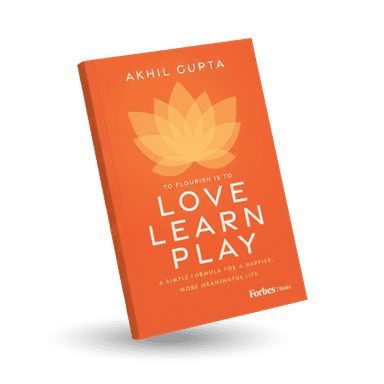
Love • Learn • Play
The formula for a meaningful life.
Why Rest Became Sacred Everywhere

Have you ever wondered why cultures separated by geography, language, and history would arrive at such a similar idea? People who never stop losing touch with themselves. They become efficient but exhausted, connected but lonely, and successful but restless.
Every tradition has recognized that endless striving cannot sustain a meaningful life, no matter if you do it through Shabbat, Sunday worship, Jumu'ah, Uposatha, or Ekadashi. Sacred time is a reminder of the fact that rest is not the opposite of purpose. The common lessons across religions show that the world's faiths often point towards the same enduring values that can be arrived at through different paths.
The Sabbath You Can Keep

You don't have to belong to a particular religion to embrace the ethos of the Sabbath. In fact, you can create your very own weekly rhythm. Just think about it. A few hours without emails, a meal shared with your loved ones without phones, a slow walk, journaling, or a conversation that is not rushed. This is where UEF's philosophy of love, learn, and play becomes practical. Love the people who matter, learn from reflection, and play without guilt. Rest is going to become that space where all these three ideologies can flourish. After all, a flourishing life isn't only built in moments of achievement but also in moments of stillness. Remember, at times the most productive thing that you can do is simply stop long enough and remember who you are.