
Love Learn Play
Radical Recognition — The Art of Truly Seeing

In our previous letters, we discovered that love is the foundation of flourishing, that it comes in many forms, that it is a skill rather than merely a feeling, and that its greatest enemy is fear.
But perhaps there is something even more fundamental to love. Perhaps love begins with something surprisingly simple.
To love is to see.
Not merely to look, notice, glance at another. To love is to truly see another human being. We believe one of the deepest hungers of our heart transcends being admired, respected, or even understood. We seek to be seen.
The Loneliness Beneath Loneliness
We live in the most connected age in history.
And yet loneliness has become a global epidemic.
We have thousands of followers, hundreds of contacts, endless messages…..and still, many people feel invisible.
Why?
Because loneliness is not the absence of people. It is the absence of recognition. It is the feeling that no one truly knows us or sees us.
We fear no one understands our joys, fears, hopes, and struggles.The tragedy is that one can feel profoundly lonely even in a crowded room.
The Fundamental Human Need
The philosopher Hegel argued that one of our deepest human needs is recognition.
The psychologist William James put it even more simply:
"The deepest principle in human nature is the craving to be appreciated."
What matters to us is not being praised or flattered. We want to be appreciated, to be seen. There is a profound difference: praise acknowledges performance but recognition acknowledges personhood. We can live without praise, but not without recognition.
Martin Buber and the "I-Thou" Relationship
The Jewish philosopher Martin Buber believed that life unfolds through two kinds of relationships.
In the first, which he called I-It, we relate to others as objects.
We see people according to their usefulness. We see them for their titles, their opinions, their roles. We see and calculate what they can do for us. The waiter, driver, employee, customer. A rival, Republican, Democrat, CEO. We apply the labels, treat them as objects, and try to figure out their functions.
But occasionally, something extraordinary happens. We encounter another person not as an object, but as a mystery. We see their souls. We meet them as fellow travelers and human beings.
This is what Buber called an I-Thou relationship.
And he famously wrote:
"All real living is meeting."
Love begins when labels end.
Why We Fail to See
Why do we struggle to recognize others?
Because we are distracted, afraid, busy, or we are constantly thinking about ourselves.
Most conversations are more monologue than real conversation. We listen while preparing our reply. We hear words but miss feelings. We focus on facts and overlook humanity.
As Simone Weil wrote:
"Attention is the rarest and purest form of generosity."
To give someone your undivided attention is one of the greatest gifts you can offer.
Because attention says:
"For this moment, your existence matters."
The Invisible People
Perhaps the greatest test of love is not how we treat those above us.
It is how we treat those whom society overlooks. From the janitor, barista, waiter, stranger, and even unhoused individuals, we find ourselves over looking the true humanity of another.
Mother Teresa once said:
"The most terrible poverty is loneliness and the feeling of being unloved."
She recognized something profound.The greatest suffering is not material poverty. It is invisibility. People do not merely need food, they need recognition, dignity, and presence. They need to feel that they matter.
The Power of Being Seen
Many of us can remember someone who changed our lives simply because they saw us. We’ve either had a teacher believe in us, a friend who listened, a parent who encouraged us, or a mentor who saw our gifts more clearly than we could. They may not erase our problems, but they saw us. Being seen can give us strength. That’s how love works; not through grand gestures but through real recognition.
Jesus, Buddha, and Recognition
Across traditions, the great teachers were masters of seeing. Jesus saw fishermen and recognized disciples. He saw tax collectors and recognized humanity. He saw the marginalized and restored dignity.
The Buddha saw suffering beneath anger. Confucius saw potential beneath weakness. Krishna saw divinity beneath confusion. The saints, sages, and mystics shared a common gift. They all looked beyond appearances and into the essence of a person. Maybe that is why they were able to love so deeply.
Proust and New Eyes
Marcel Proust wrote:
"The real voyage of discovery consists not in seeking new landscapes, but in having new eyes."
Love is not always about finding new people. Sometimes it is about seeing familiar people differently: seeing your spouse with fresh eyes, seeing the vulnerability as your parents age, watching your children grow up, and even seeing yourself again.
One of the most lost arts is seeing the humanity in those with whom you disagree. We believe flourishing is less about changing the world and more about changing the way we see the world.
Radical Recognition
In Love, Learn, Play, I describe love as radical recognition.
Not agreement.
Not approval.
But Recognition.
Love is the willingness to encounter another person in their full humanity. When we love, we acknowledge. We say that the other matters, and are cared for indifferently to their achievements or failures or opinions.
This does not mean abandoning boundaries or excusing harmful behavior. It means refusing to reduce people to labels. Because once we reduce people to categories, love disappears. Recognition restores what judgment destroys.
Love and the Triple Helix
Love provides the foundation upon which learning and play flourish. When people feel seen, they become willing to learn. Psychologists call this ‘psychological safety.’ Children flourish when they feel accepted. Teams innovate when they feel respected. Relationships deepen when people feel understood. Without recognition, learning becomes defensive. Without recognition, play becomes unsafe, success becomes lonely.
Love creates the soil in which everything else grows.
This Week's Practice: The Gift of Seeing
Choose one person each day this week. It may be your spouse, a friend, a colleague, even a stranger. It can be anyone, but whoever you choose, give them your complete attention for 60 seconds. Notice the details: tone, emotions, hopes, fears. And ask yourself a simple question:
What is it like to be this person?
While asking yourself this, remember some important truths; they love, hurt, feel happy, and live just like you do. Let the realization that they are not alone, that you are not alone stay with you. Then notice the change. Not in them, but in YOU.
Reflection Questions
- Who in my life feels unseen?
- When was the last time I felt truly seen?
- Do I listen to understand or merely to respond?
- Where have labels replaced love?
- How would my relationships change if I practiced radical recognition?
Because love does not begin with grand gestures, it must begin somewhere simpler It begins with attention, perceiving another as they truly are.
Perhaps the greatest gift we can offer another person is not advice, solutions, or even agreement. It is simply this:
To see them.
For in the end, all real living is meeting.
With warmth,
Akhil
P.S. In our next newsletter:
Love | Part 6: Self-Love Without Narcissism
Why loving yourself is not selfish, why the Greeks called it Philautia, and why friendship with yourself may be the foundation of every other relationship.
Recommended for You
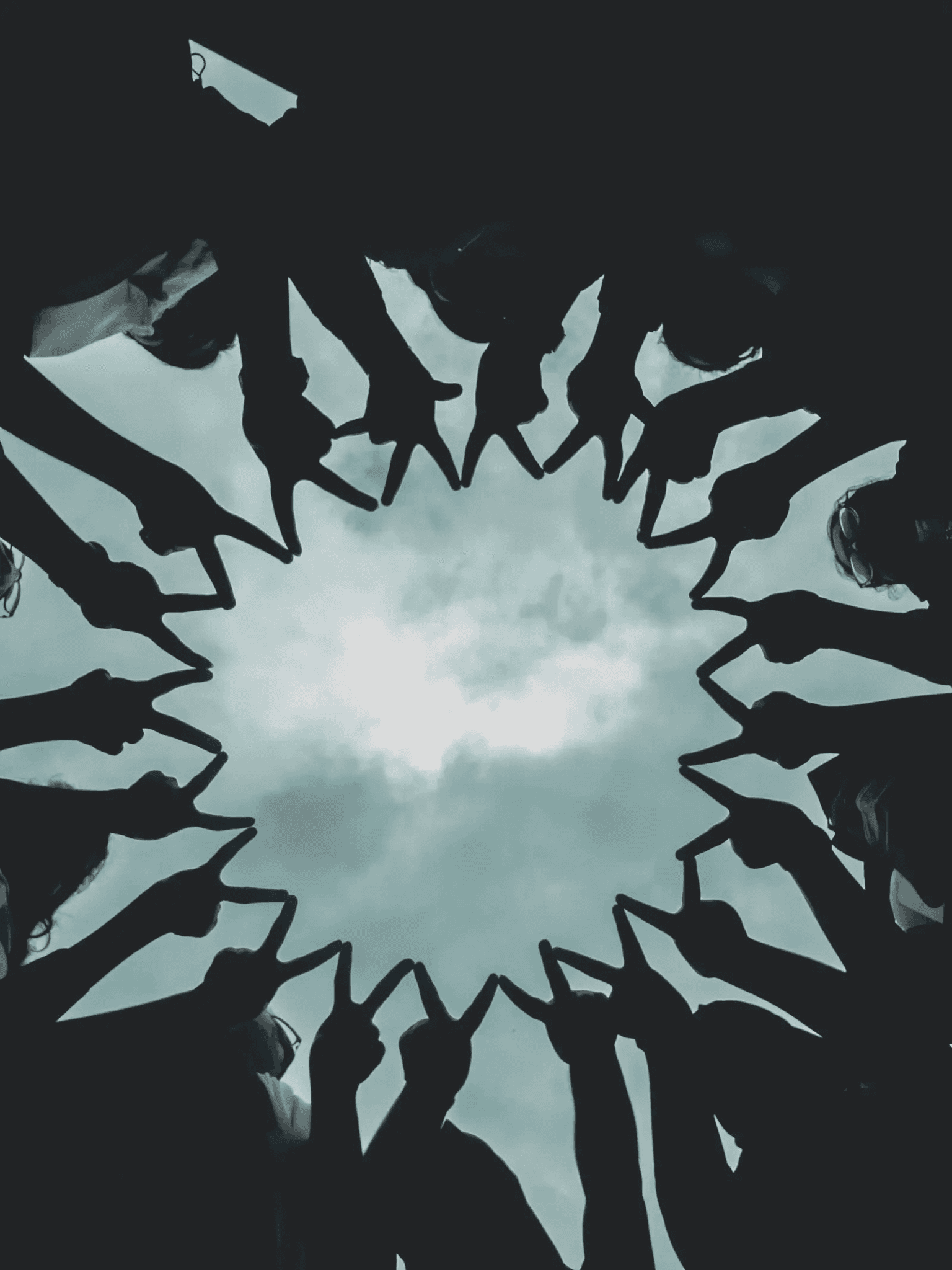
Our new Community page explores how we bring Love, Learn, Play into shared life—creating opportunities to connect, discover, and belong. One example is the Paris Philosophy Club which revives the old fashion Parisian Salon by creating spaces for deep explorations of philosophy and flourishing. For more conversations that invite us to see ourselves and others differently, join us on our Conversations on Flourishing podcast. Our guests explore how love, learning, and play shape their lives—and what we can learn from one another. Watch on YouTube or listen on Spotify.

In this Psyche guide, psychologist Jennifer Farrell explores how people who know and care about us can help us recognize parts of ourselves we cannot see alone. Their attention can reveal overlooked strengths, hidden defenses, and the distance between our intentions and our impact. It brings another dimension to this week’s letter: being truly seen can help us understand ourselves more fully.
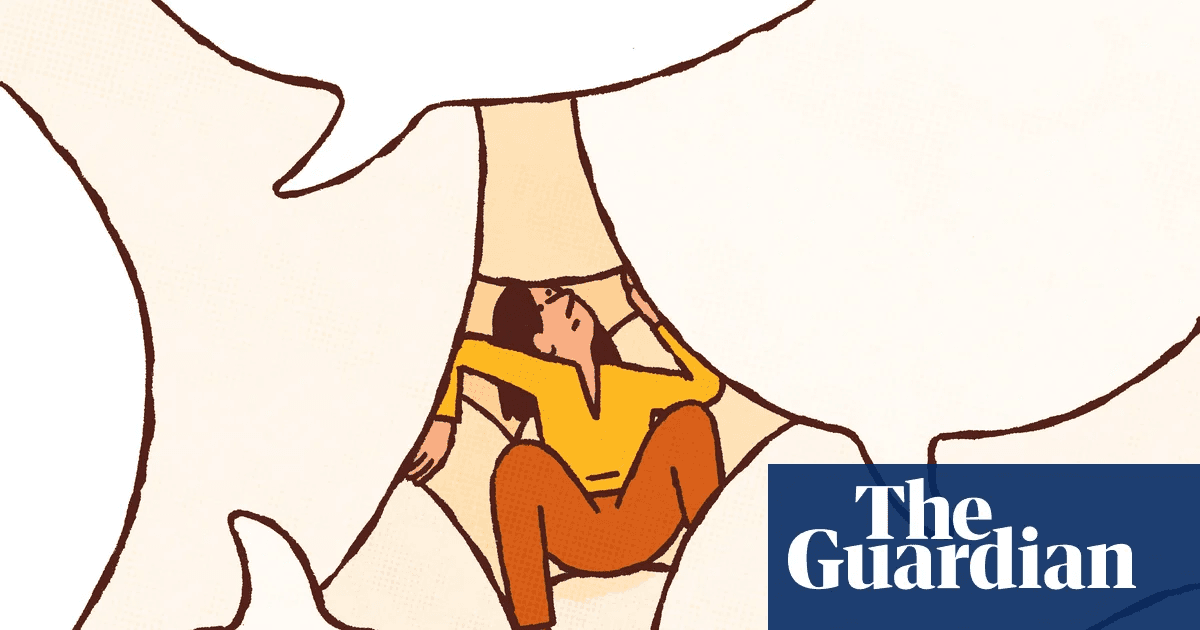
In this Guardian piece, Anita Chaudhuri explores how conversations become one-sided—and how to make room for another person. It offers an everyday setting for this week’s invitation: to love is to see. The person across from us has an inner life as rich and complicated as our own, deserving our curiosity and care.