
Love Learn Play
How to Feel the Fear and Love Anyway

In our last letter, we explored why love is so often stalled by fear.
Fear came before love in the animal brain. It drives us to protect ourselves from rejection, abandonment, judgment, and shame. It can hide behind achievement, perfectionism, ego, and certainty. It can keep us from being fully seen, and it can keep us from seeing the full humanity of others.
Across wisdom traditions, we found the same insight: fear separates, while love reconnects. Fear tells us to protect ourselves at all costs. Love asks us to open ourselves.
But understanding fear intellectually is different from recognizing it in our lives. What does fear actually look like in our relationships—and how do we choose love when fear is still present?
HOW FEAR ACTUALLY WORKS IN RELATIONSHIPS
Let’s make this concrete, because understanding fear intellectually is different from recognizing it in your life:
Example 1: The Partner Who Withdraws
Your partner says something that triggers you. Instead of responding, you shut down, becoming cold and distant.
Your fear: "If I express my hurt, they'll leave me" or "If I show vulnerability, they'll lose respect."
So, you withdraw because it feels safer than reaching out.
But your partner, experiencing your coldness, feels rejected, so they also withdraw.
The cycle intensifies.
Neither person is wrong: you’re both just afraid.
Example 2: The Impossible Standards
You hold your partner (or yourself) to impossible standards, expecting perfect words, perfect behavior, and perfect understanding.
Your fear: "If I accept them as they are, I'll be hurt" or "If I'm not perfect, I'll be abandoned."
You ward off this fear through perfectionism, control, and criticism.
But no human can meet impossible standards.
The relationship becomes about performance, not connection.
Example 3: The Avoidance
Someone you love says something that needs addressing. Instead of talking about it, you avoid it by changing the subject or keeping yourself busy with something else.
Your fear: "This conversation will be painful" or "I don't know how to handle this" or "It's too risky to be honest."
Avoidance ensues while unaddressed issues fester.
Resentment builds and the rift between you grows.
THE WAY OUT: FROM FEAR TO LOVE
If fear is the barrier, what is the path through it?
It's not to eliminate fear. Fear is part of being human. You cannot—and should not try to—become fearless.
Instead, the path is to feel fear and love anyway.
This is what courage actually means.
Courage is not the absence of fear, but rather acting in alignment with love despite the fear.
Here's what this looks like practically:
1. Name the fear
Before you can move through it, you have to see it.
What are you actually afraid of?
Rejection? Abandonment? Being seen? Losing control? Not being enough?
Get specific. Specificity breaks fear's power.
2. Recognize the fear's origin
Your fear probably isn't really about this moment.
It's probably rooted in earlier experiences.
"I fear rejection" might come from a parent's distance.
"I fear abandonment" might come from a loss.
"I fear being seen" might come from childhood shame.
Understanding the origin doesn't excuse the fear. But it helps you see: This fear is trying to protect me from an old wound.
That's actually wise. Your nervous system is trying to keep you safe.
Thank it. And then choose something different.
3. Feel it, don't fight it
The worst thing you can do with fear is try to suppress it or deny it.
Fear, when suppressed, grows.
Instead, feel it.
Notice where it lives in your body. Your chest? Your stomach? Your throat?
Breathe into it.
Say to yourself: "Yes, I'm afraid. This fear is trying to protect me. And I'm going to move toward love anyway."
4. Take one small step toward love
You don't have to make a grand gesture.
You don't have to overcome the fear completely.
Just one small step.
Tell one truth you've been hiding.
Reach out to one person you've been distant from.
Ask for help when you usually pretend you're fine.
Apologize when you usually defend yourself.
Be present when you usually escape.
One small step.
5. Stay in the discomfort
This is crucial: The fear will not disappear immediately.
You'll still feel it.
But you'll be acting from love, not fear.
That's the practice.
Not the absence of fear.
But the presence of love, even as fear is there.
A REFLECTION FOR THIS WEEK
I want to invite you to something:
Notice where fear is running your life.
Not as judgment. Not as shame.
Just as observation.
Where do you:
- Withhold truth because you're afraid of judgment?
- Withdraw from connection because you're afraid of rejection?
- Control situations because you're afraid of losing control?
- Judge others because you're afraid of them?
- Perform instead of being authentic?
Pick one area.
And ask yourself: What am I actually afraid of?
Get specific.
Then ask: What would love do here?
And consider taking one small step in that direction.
This is how we dismantle the barriers to love.
Not through willpower or perfectionism.
But through gentle, courageous recognition of our fear and a choice to love anyway.
With understanding and compassion for your struggle,
Akhil
P.S. — In two weeks: The Love That Heals. How love transforms not just our relationships, but our deepest wounds. And why choosing to love—especially people who've hurt us—is the most revolutionary act available to us.
Recommended for You
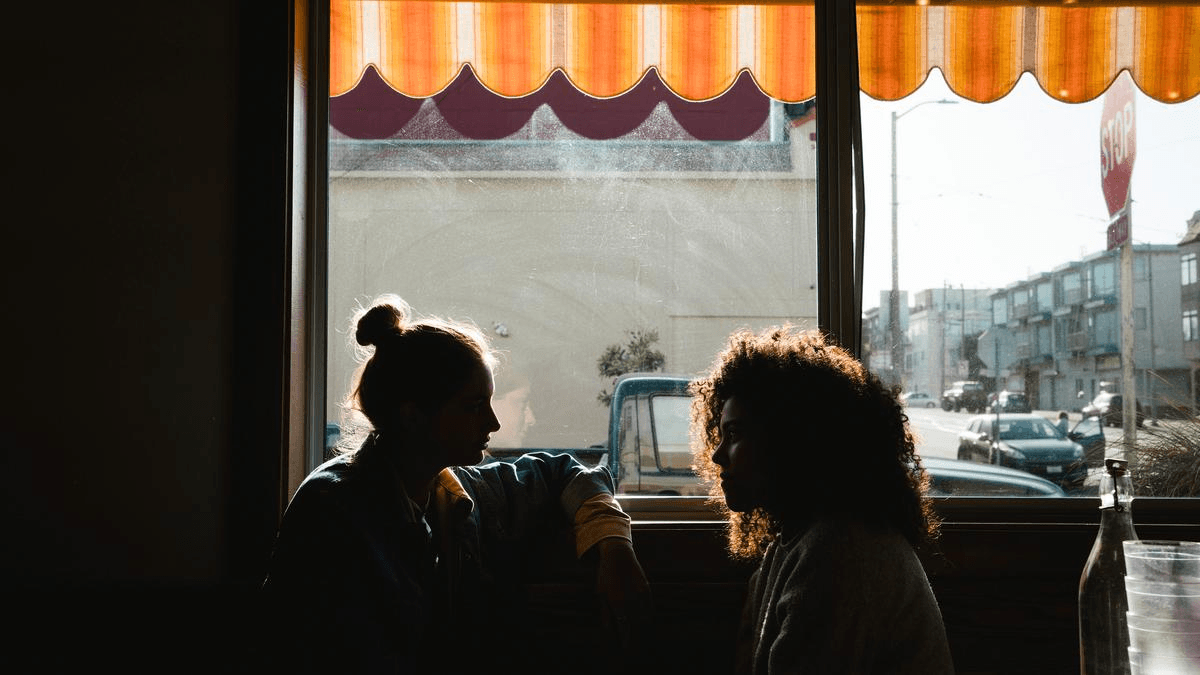
In this Psyche essay, philosopher Jasmine Gunkel explores why revealing the parts of ourselves we fear others will judge can open the way to deeper acceptance. Drawing on her own experience of shame and illness, she shows how sharing what feels hardest to say can invite kindness and solidarity. It speaks directly to this week’s letter: loving fully asks us to let ourselves be known, even while we are afraid.

In this Guardian piece, Emine Saner explores how extreme self-reliance can mask a fear of intimacy. This week’s letter asks us to notice where fear shapes our choices: Where do we withdraw, insist on control, or pretend we’re fine? One small step toward love might be telling someone we trust what we need—and allowing ourselves to receive their care.

Our Conversations on Flourishing podcast explores what becomes possible when we question our assumptions. In Philosophers Reunite through LLP, Charles Taliaferro joins Christophe Porot (YouTube) to discuss philosophy in prison, scholarship without ego, and why learning sometimes requires unlearning. In Thinking Impossibly, Jeffrey Kripal speaks with Allen Simon (YouTube) about extraordinary experiences that challenge familiar explanations of consciousness and reality—and why understanding them begins with listening to the people who have them. You can watch and listen to UEF Insights on YouTube and Spotify.