
The triple helix: Love, learning, and play: three strands, one flourishing life.
DNA winds two strands into the code of a living body. The three strands: love, learning, and play provide the code for human flourishing. Each strand is an end in itself, and each reinforces the others. Here is how they fit together.
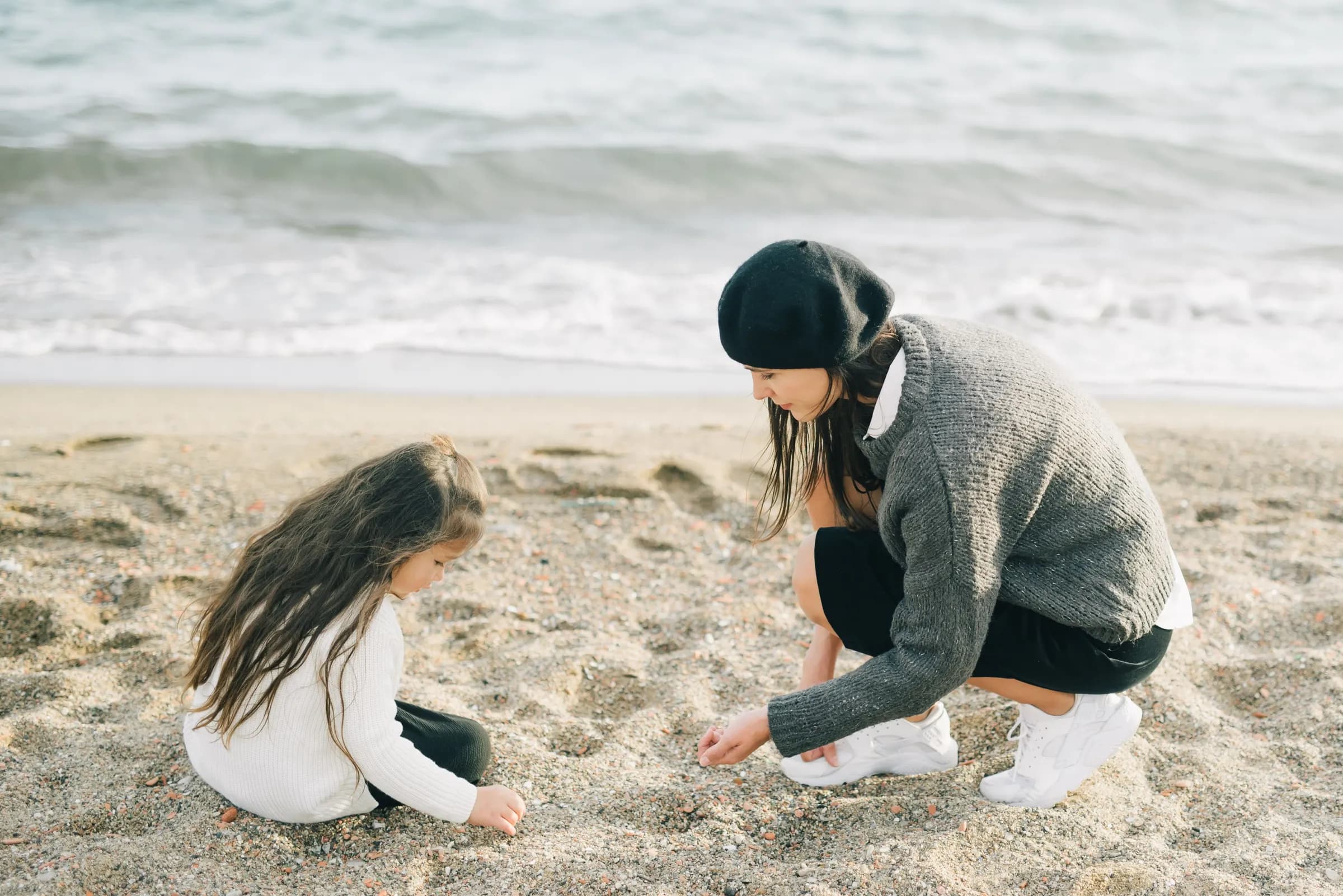
Every big question is a signal.
What is the meaning of life? What is it all for? Most of us don’t ask every day. The questions come back when life shifts: a loss, a birth, a move, a sleepless night under a sky full of stars.
Every culture has answered them, with myths and faiths, philosophies and sciences. The answers differ. The asking is the same everywhere, and it may matter more than any one answer.
“It is not that a person makes meaning, as much as that the activity of being a person is the activity of meaning-making.”
Hunger asks for food. Loneliness asks for love.
Akhil Gupta, UEF’s founder, reads the big questions the way we read hunger. Hunger is the body’s way of asking for food, and thirst for water. The existential questions are the mind’s way of pointing to what it needs most.
The body
- Hunger
- asks for Food
- Thirst
- asks for Water
The mind
- Loneliness
- asks for Loveso we overcome separation
- Curiosity
- asks for Learningso we keep learning all our lives
- Imagination
- asks for Playso we celebrate life as a child does
“We connect through love, seek understanding through learning, and embrace life’s richness through play.”
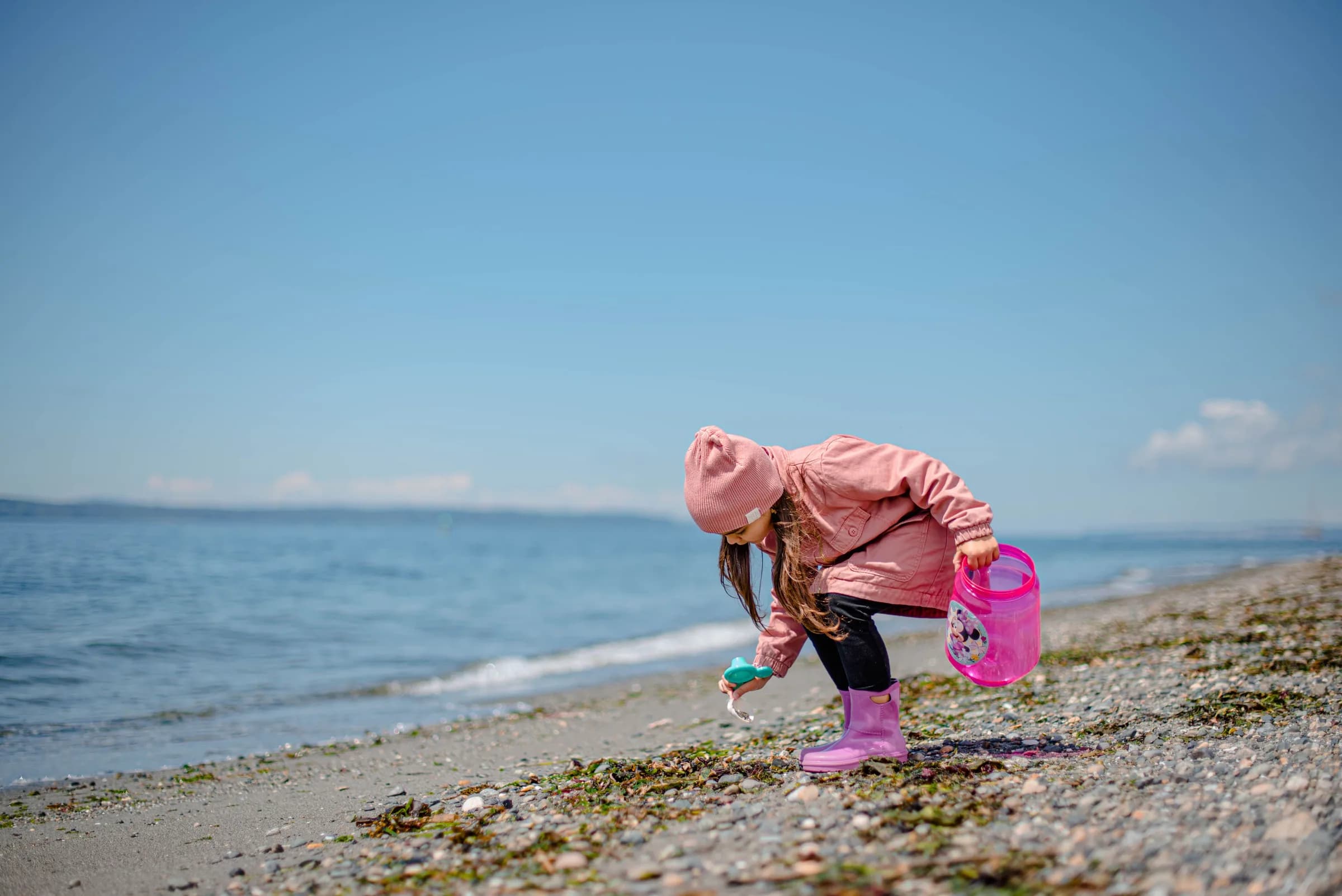
An abyss, or a seashore
The same questions can open like an abyss. Nietzsche warned that if you gaze long into one, it gazes back. We can look up almost anything in seconds now, and still the deepest questions feel harder than ever, the choices for answering them overwhelming.
Isaac Newton answered more of nature’s questions than almost anyone. Near the end of his life he looked at the same unknown and saw a seashore.
“I do not know what I may appear to the world, but to myself I seem to have been only like a boy playing on the sea-shore, and diverting myself in now and then finding a smoother pebble or a prettier shell than ordinary, whilst the great ocean of truth lay all undiscovered before me.”
The question was the same. What he brought to it was different: curiosity in place of dread, and play in place of panic.

What a baby already knows
While Akhil was studying happiness at Harvard, he visited his nephew’s family and met their daughter, Aashi, nine months old. Wary at first, she soon wouldn’t leave his side. All she wanted was to play, to explore her still-new world, and to lie in his lap with loving looks.
Aashi had no idea of happiness as a goal, so she had no reason to chase it. She was simply flourishing, by loving, learning, and playing. The framework came to him after that visit.
“Once a child is fed, dry, and rested, they exist in a state of total well-being, doing little more than loving, learning, and playing.”
Ends, not means.
Most of what we chase is a means: money, a job title, a degree, a bigger house, more followers. Each is good for something. Ask what it is for, and the answer points somewhere else.
Love, learning, and play are different. Ask why we want them and the question runs out. We want them for themselves.
Akhil calls them our intentional core: the longings we are born with. Around them gathers the extensional core, the wants we acquire for money, power, and fame.
- Money
- Work
- Status
- Degrees
- Technology
- Fame
- Power
- Possessions
Ask why until the question stops
“An ultimate end is not a means to anything else.”
- Work late
- Why?Pay for the trip home
- Why?See my mother
- Why?Love
- Finish the degree
- Why?Become a nurse
- Why?Understand how bodies heal
- Why?Learning
- Get to the gym
- Why?Keep up with my kids
- Why?Race them to the park
- Why?Play
Where the question stops, you have found an end.
Appetites that end, and longings that don’t
There is a second test. Appetites have limits. A third meal in a row brings no joy, and a fourth brings discomfort. Love, learning, and play have no ceiling. The more we do, the more there is to do.
“There is no limit to how much you can love, how much you can learn, and how much you can play.”
- Love
- Learn
- Play
Every age names its few essentials
Love and work
Sigmund Freud, as told by Erik Erikson
Asked what a grown person should be able to do well, Freud is said to have answered “lieben und arbeiten”: to love and to work.
Liberty, equality, fraternity
The French Revolution
Three ideals for a whole society. They are still inscribed on public buildings across France.
Love, learning, and play
Akhil Gupta
Three longings for a whole life, and, he argues, the only three. Every good thing we do is some mix of them.
Three strands.
Each strand reaches further than its everyday meaning. Here is how far.
Love
Love connects.
Love is our most used word, and our most narrowed. It is more than romance. It is a parent’s warmth, a friend’s loyalty, care for a stranger, and, widest of all, what the early Christians, writing in Greek, called agape: love for all.
“Love is patient, love is kind,” Paul wrote to the church at Corinth. Love shows itself when we care for something beyond ourselves and expect nothing back. It goes missing whenever we put ourselves at the center.
Science keeps arriving at the same place. Since 1938 the Harvard Study of Adult Development has followed the same lives, now for more than 85 years. George Vaillant, who directed it for three decades, put its lesson in five words.
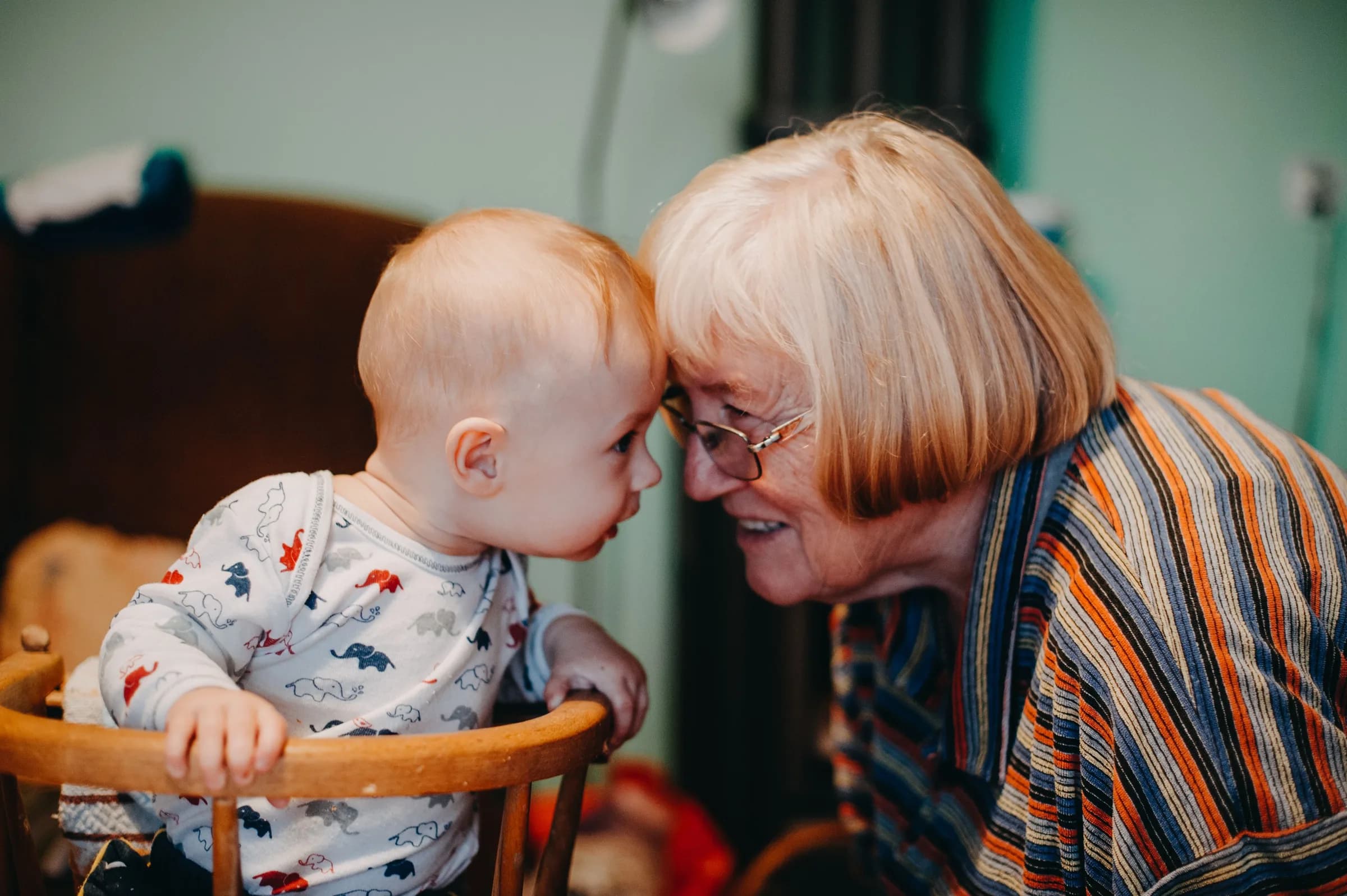
“Happiness is love. Full stop.”
Learn
Learning makes order from disorder.
A stone cannot learn. Nor can a star. Left alone, things drift toward disorder; physicists call it entropy. Living things push the other way, and learning is how we do it: we take a confusing world and make sense of it.
“What an organism feeds upon is negative entropy.”
Learning changes the learner. We are not the same after we understand something. It also teaches humility, because every answer opens new questions. At its best, learning is seeing things as they are.

“There is only one thing for it then—to learn. Learn why the world wags and what wags it.”
Play
Play is done for its own sake.
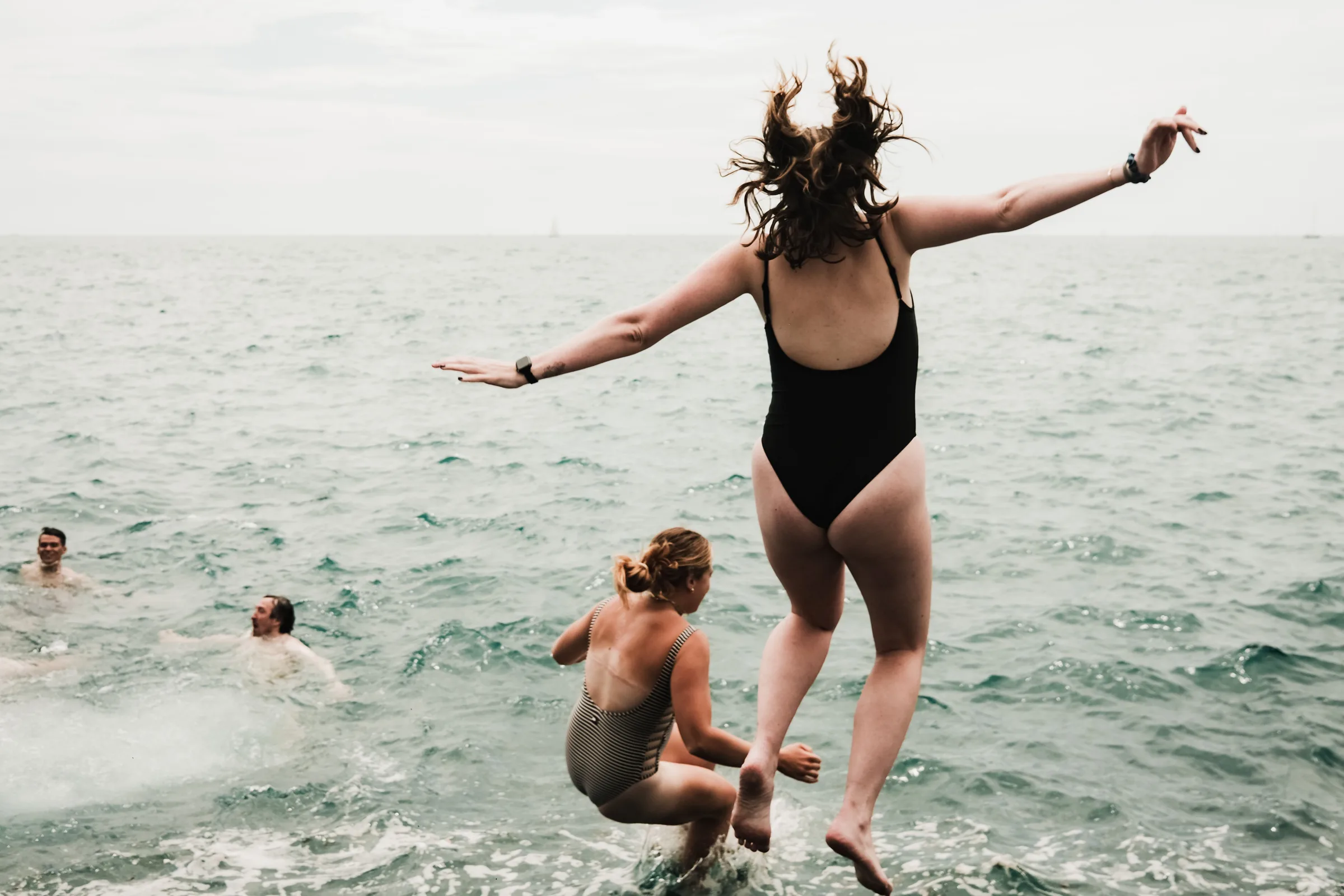
Think of the forts and treasure hunts, the games of tag. Nobody played them for a prize. Playing was the point, and in those moments we felt most alive. It is the strand adults most often drop, and the one most accounts of a good life leave out.
Play isn’t only human. Gordon Burghardt, who has studied animal behavior at the University of Tennessee for decades, gives five marks to tell it apart from everything else an animal does.
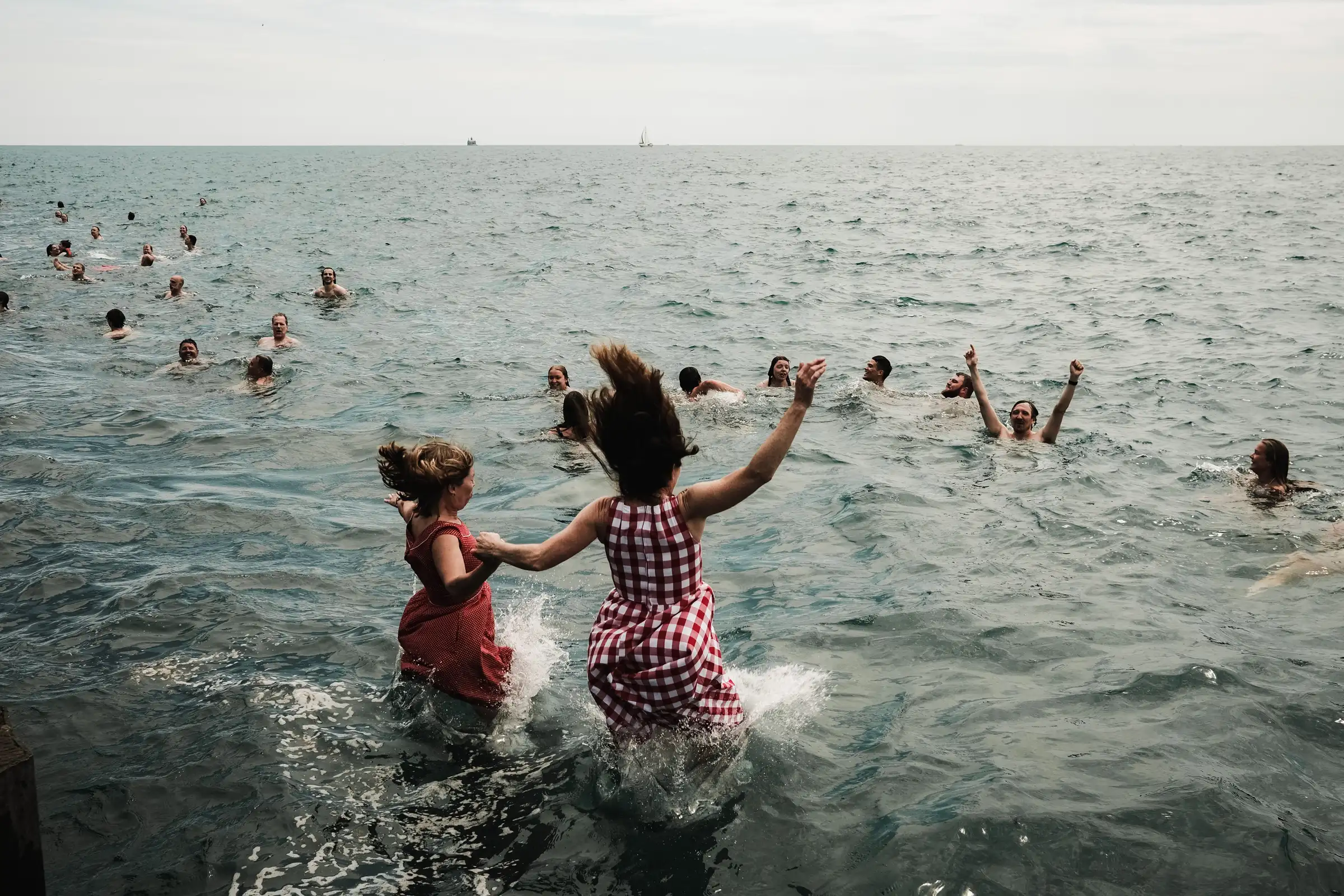
Five marks of play
It isn’t fully functional. It doesn’t need to achieve anything.
It is voluntary, and done for its own sake.
It is a changed version of a serious act: a chase with no catch, a fight with no wound.
It is repeated, but never quite the same way.
It begins when the player is fed, safe, and relaxed.
Play is also where new things come from. The writer Steven Johnson traces the computer back to music: from ancient flutes, to a self-playing instrument built in Baghdad more than a thousand years ago and programmed with a pinned cylinder, to keyboards and, in time, code. Delight kept people tinkering as often as necessity did.
“We are designed to find fulfillment and creative growth through play.”
Nietzsche pictured the spirit growing in three stages: a camel that carries whatever it is given, a lion that refuses, and at last a child.
“The child is innocence and forgetting, a new beginning, a game, a self-propelled wheel, a first movement, a sacred ‘Yes.’”
Why a helix?
In the spring of 1953, in Cambridge, Francis Crick and James Watson built a model of DNA from metal plates and rods. It was a double helix: two strands winding around a common axis, joined by pairs of bases, A with T and C with G.
Their model leaned on X-ray images from Rosalind Franklin’s laboratory at King’s College London, above all Photo 51, taken in May 1952.
The pairing is the genius of it. Each strand carries the pattern of the other, so either can rebuild its partner. Watson and Crick saw it, and wrote the most famous understatement in science.
“It has not escaped our notice that the specific pairing we have postulated immediately suggests a possible copying mechanism for the genetic material.”
DNA
Two strands that complete each other
Love, learning, and play
Three strands that strengthen each other
“Just as the double helix of DNA controls many of our biological functions, loving, learning, and playing form a triple helix of human flourishing.”
 Watch on Instagram@uefinsights
Nature already braids in threes
The analogy has a cousin inside us. Collagen, the most abundant protein in the body, is a triple helix: three chains wound together. G. N. Ramachandran and Gopinath Kartha worked out its structure in Madras in 1954. That winding gives tendons, skin, and bone their strength.
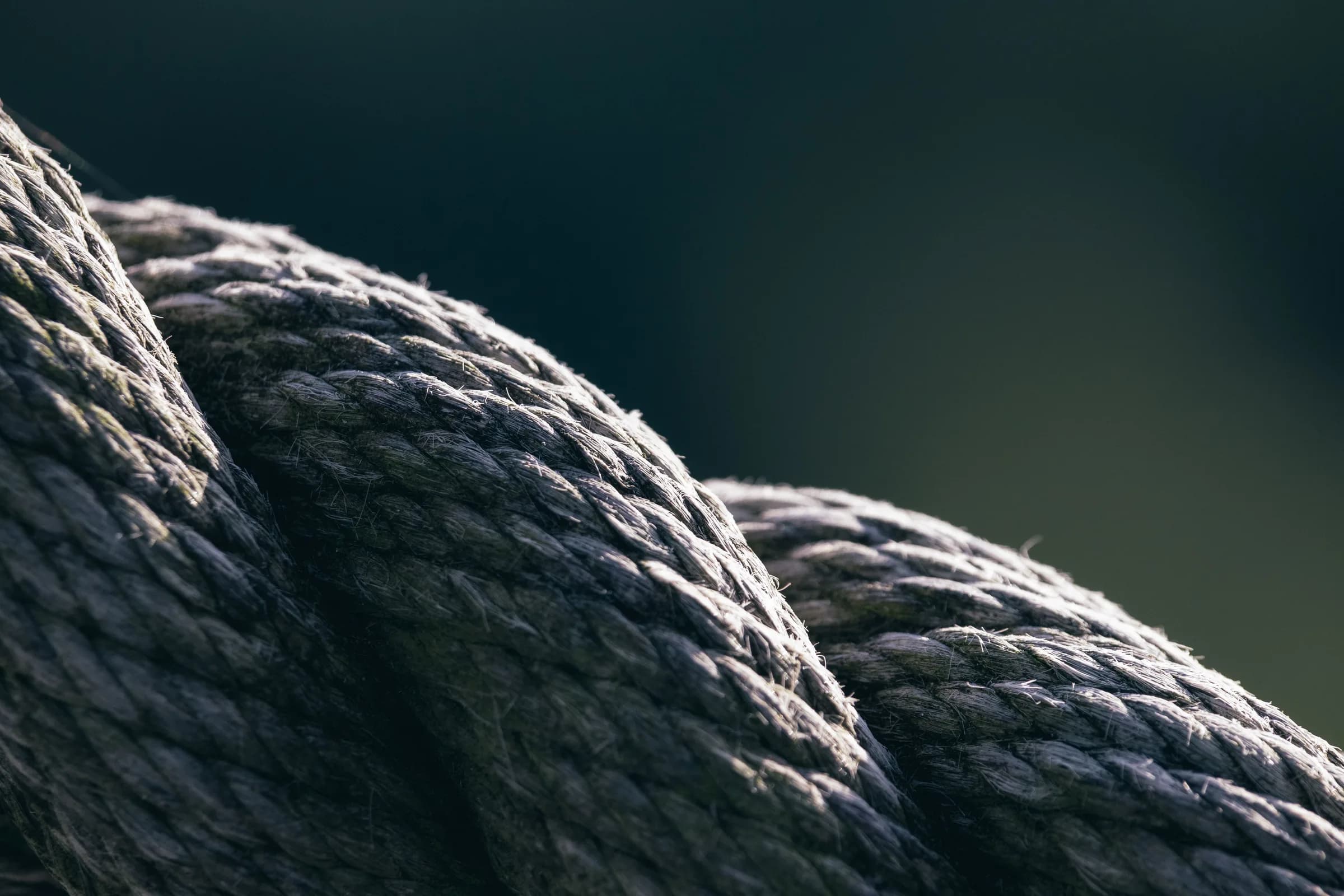
Rope makers have always known it. Twist three strands together and each holds the others in place.
“A threefold cord is not quickly broken.”
Four letters. Three strands.
At first, Akhil worried that love, learning, and play was too simple. Two lines changed his mind.
“Truth is ever to be found in simplicity, and not in the multiplicity and confusion of things.”
“The aspects of things that are most important for us are hidden because of their simplicity and familiarity.”
Wittgenstein’s book came out in 1953, the year of the double helix.
The razor, and an older hope
The idea is old. In the fourteenth century the English friar William of Ockham gave his name to a rule now called Ockham’s razor. Its famous wording, “entities should not be multiplied beyond necessity,” came later. His own is plainer.
Numquam ponenda est pluralitas sine necessitate.
Plurality should never be posited without necessity.
For Ockham it was a rule of honest thinking: claim no more than you need. Later thinkers heard a larger hope in it, that a wise Creator works through simple means and lets the richness unfold from them. Leibniz wrote that God chose the world that is “the simplest in hypotheses and the richest in phenomena.” Newton opened his rules of reasoning in the same spirit.
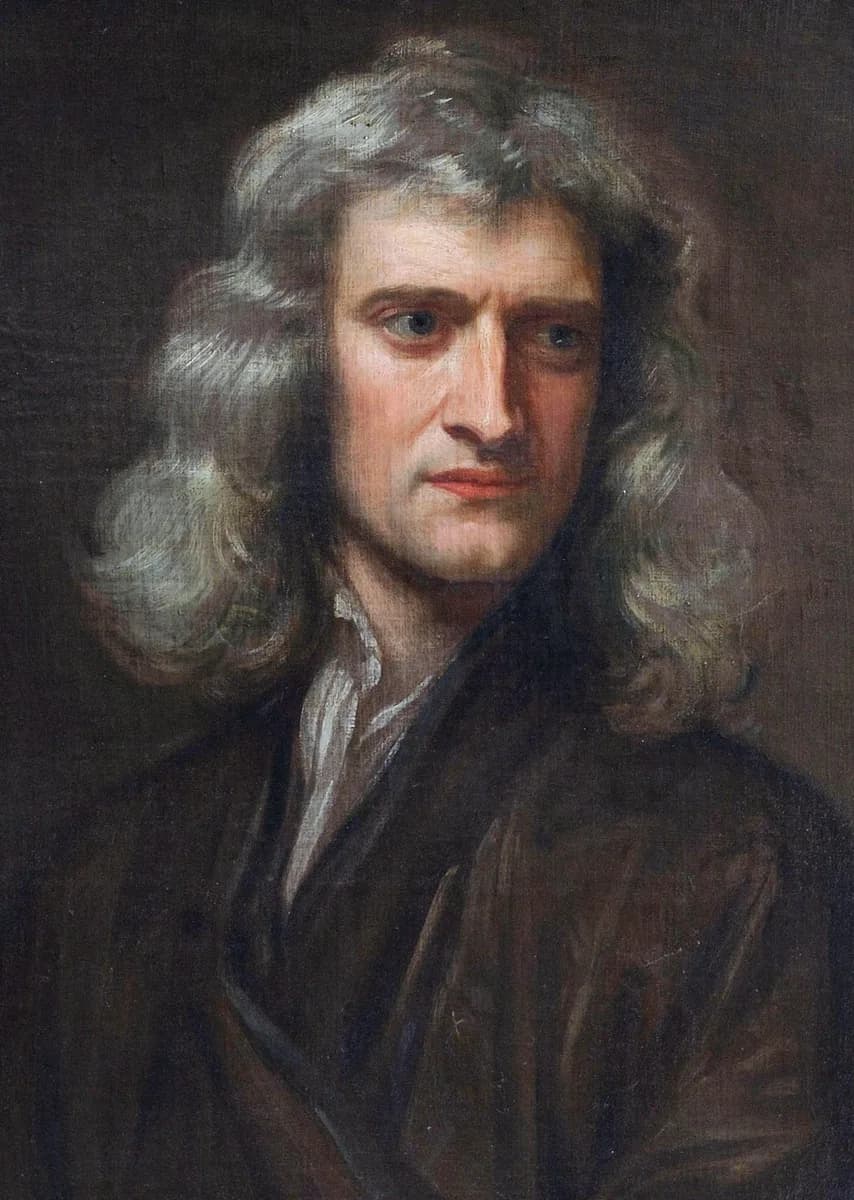
“Nature does nothing in vain, and more is in vain when less will serve; for Nature is pleased with simplicity, and affects not the pomp of superfluous causes.”
We read the helix in that spirit. Complexity grows out of simple things, not the other way round.
Four letters
- AAdenine
- CCytosine
- GGuanine
- TThymine
- Bacteria
- Coral
- Oak trees
- Octopuses
- Blue whales
- You
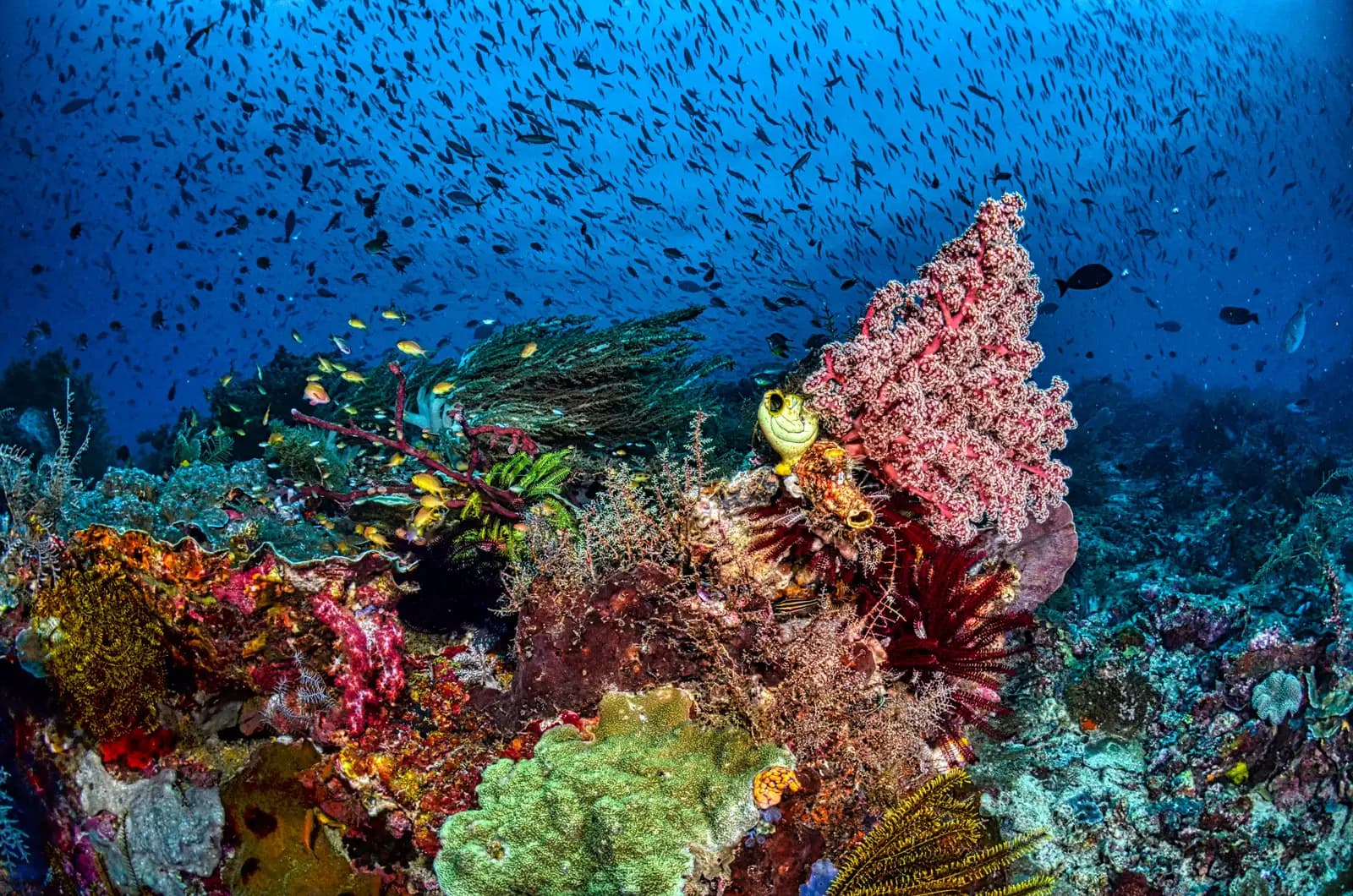
Every living cell keeps its instructions in DNA, written in four letters. There are about three billion of them in each copy of the human genome, and the same four spell out bacteria and blue whales, coral and oak trees, and you.
Three strands
- LLove
- LLearn
- PPlay

- Friendship
- Families
- Science
- Music
- Games
- Festivals
- Flourishing
Three longings, and from them the whole spread of human culture and experience: friendships and families, science and schools, music and games, festivals, and the long work of a flourishing life.
Four letters write every living thing. Three strands can weave a whole life.
Ideas for a more flourishing life, delivered every two weeks.
Insights on love, learning, and play, drawn from wisdom traditions, modern science, and lived experience.
How the strands strengthen each other.
A rope is strong because no strand carries the load alone. A life works the same way. In Akhil’s words, the three are “intertwined and mutually synergistic.”
Most good things we do are some mix of them. Work can be learning and play, and love too, when it is done in service of others. Pursue one at the cost of the others, the book warns, and we reach “only a partial or suboptimal flourishing.”
Love makes it safe to play.
Play begins when we feel secure. Children play most freely near the people who love them.
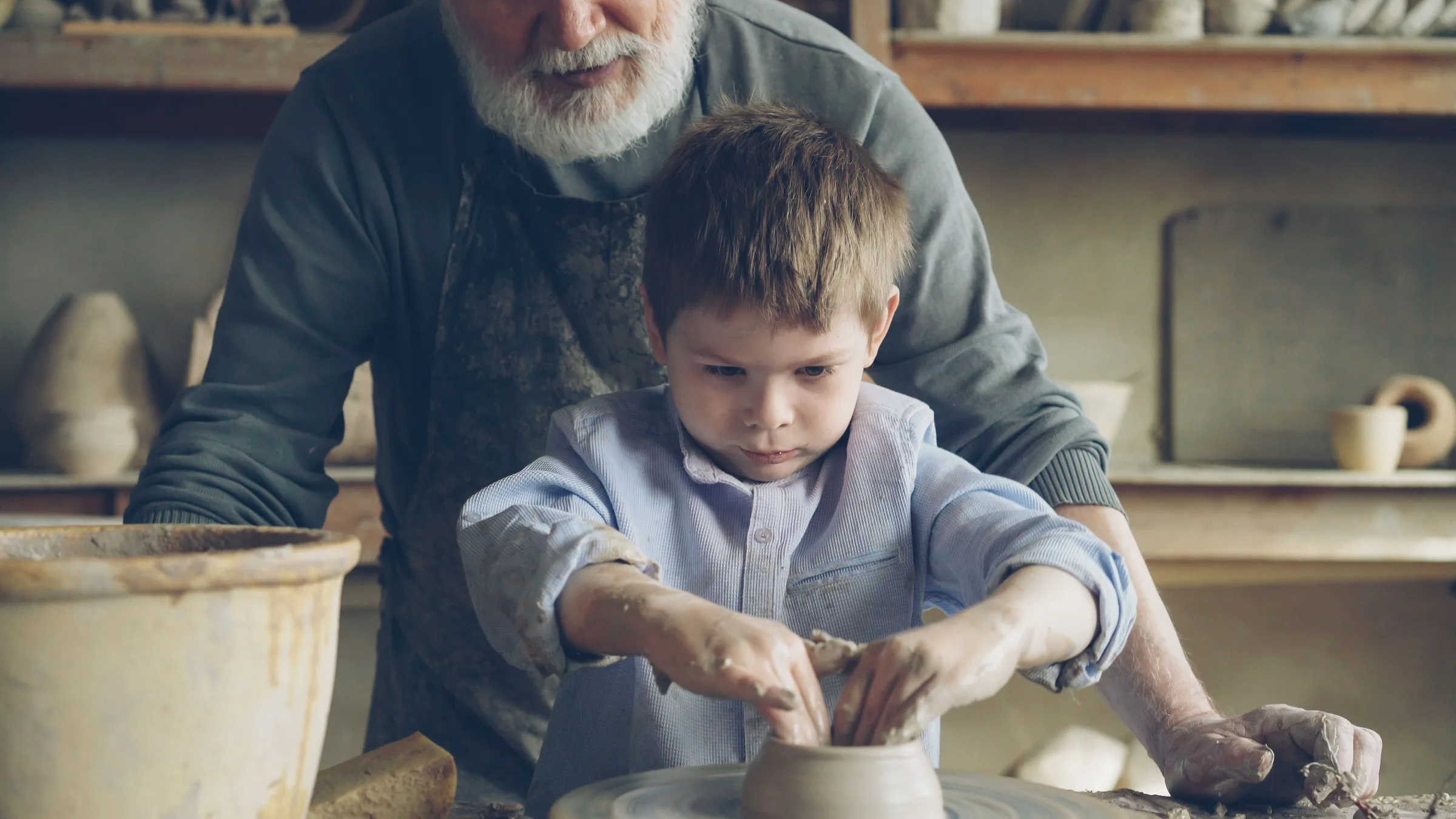
Play is how we learn.
Peekaboo teaches a baby that things still exist when hidden. What we learn at play seems to stick.
Learning widens what we can love.
The more we understand people and the world, the more of both we can care for.
Love builds the learning brain.
Love in a child’s first two years helps lay down the pathways for everything learned after.
Learning gives play new games.
Mastery frees us to improvise. Einstein called his own thinking “combinatory play.”
Play binds us together.
Shared games, dances, and festivals turn strangers into a community. Émile Durkheim called the feeling collective effervescence.
Where the strands wind tightest, time disappears
The psychologist Mihaly Csikszentmihalyi called it flow: absorption so deep that we lose track of time. It tends to arrive when love, learning, and play are all present at once. A conversation that runs past midnight. A game with old friends. A problem we care about and can almost solve.
“Work becomes play, challenges become learning experiences, routines become expressions of love.”
What pulls the strands apart.
If love, learning, and play are what we want most, why do so many of us end up with so little of them?
Because the means get in the way. Money is the simplest example. It is a good means. Then, slowly, it becomes the score, and life passes while we chase it.
We call this the means–ends inversion. It runs on stories we absorb without noticing: that we must choose between money and happiness, that we are our jobs, that life is a fight only the fittest survive. Year by year a socialized self, carrying those stories, settles over the authentic one.

“We shall once more value ends above means and prefer the good to the useful.”
The way back is to live consciously, not compulsively: notice the stories, ask what each means is for, and keep it in its place.
The strands widen.
Love, learning, and play begin close to home and keep widening. Love starts with ourselves and the people nearest us. With time it reaches friends and coworkers, communities, a nation, all of humanity, and at last all of creation.
How each strand widens
Love
- Ourselves
- Family and friends
- Community
- Nation
- Humanity
- All of creation
Learning
- Our own bodies
- The world around us
- Other people
- How it all connects
Play
- Physical
- Intellectual
- Creative
- Emotional
- Spiritual
“Love is not primarily a relationship to a specific person; it is an attitude, an orientation of character which determines the relatedness of a person to the world as a whole, not toward one ‘object’ of love.”

“Someday, after mastering the winds, the waves, the tides and gravity, we shall harness for God the energies of love, and then, for the second time in the history of the world, man will have discovered fire.”
To flourish is to bloom.
Flourish and flower share a root: the Latin flos, a flower, and florere, to bloom. To flourish is to grow into the fullest version of what we already are.
The lotus is the oldest picture of it. It roots in mud and opens clean above the water, which is why so many traditions of Asia hold it sacred.
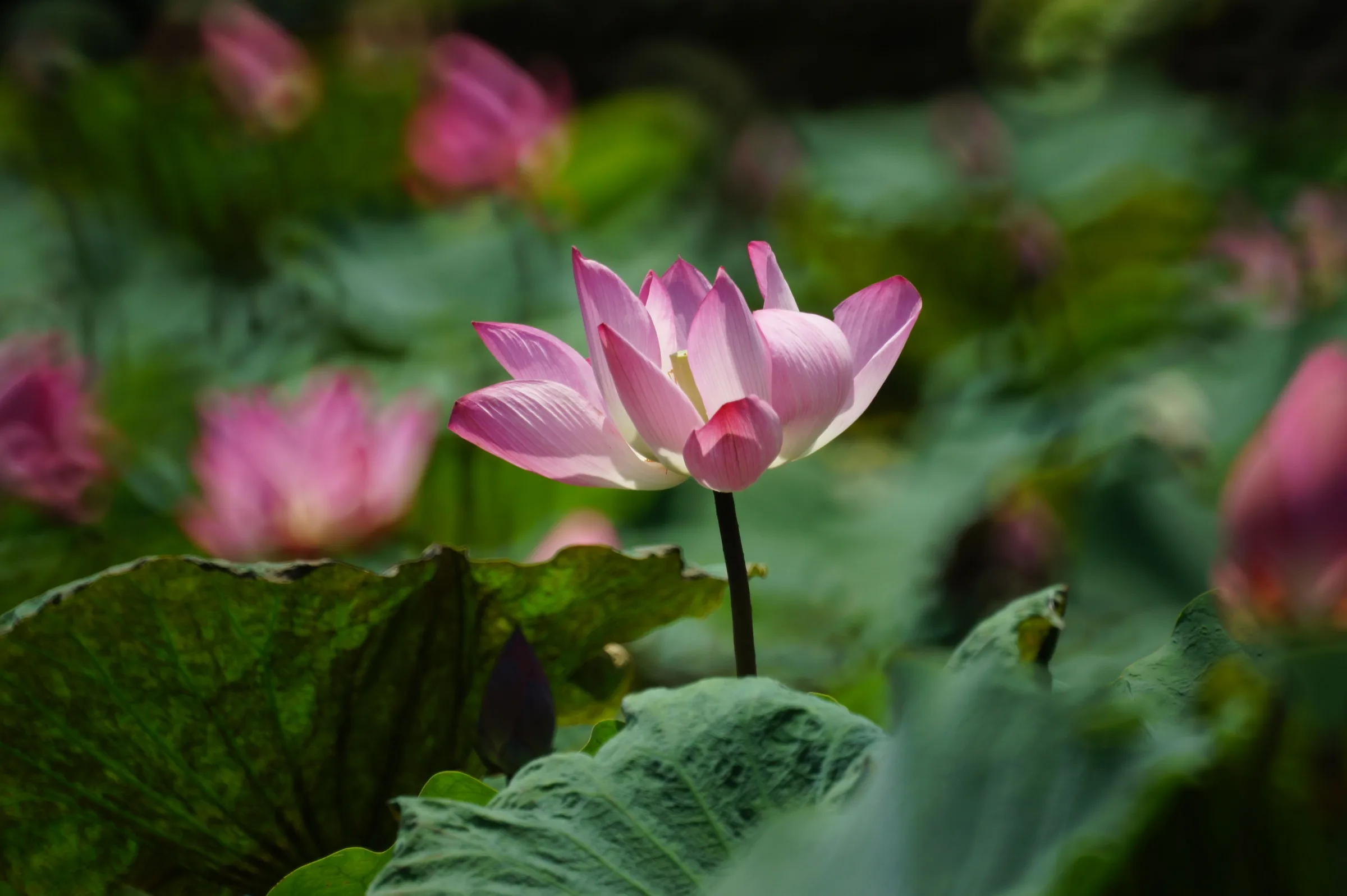
“Like flowers that need air, water, and nutrients in the right proportions to blossom, we need love, learning, and play to flourish.”
Three ways to begin this week
Make the nouns verbs
Don’t only have love, learning, and play. Become a loving, curious, and playful person, in whatever you are doing.
Ask why
Take one goal you are chasing and ask what it is for until the question stops. Check that the answer is love, learning, or play.
Notice when time disappears
At the end of the week, ask what made you lose track of time. Then make room for more of it.
Keep following the strands
Questions people ask
It is UEF’s picture of how love, learning, and play work together. In Love, Learn, Play, Akhil Gupta compares them to the double helix of DNA: three strands winding around one another, each an end in itself and each making the others stronger. Together they form what he calls our intentional core.
Because they pass two tests. Ask why you want them and the question stops: they are ends, not means to something else. And they have no limit. We can always love, learn, and play more, while appetites like hunger have a ceiling.
Yes. Pursue one at the cost of the others and flourishing stays partial. The strands strengthen each other: love makes it safe to play, play is how we learn, and learning widens what we can love.
Mostly the means–ends inversion: good means such as money, work, and status quietly become goals in themselves. False narratives absorbed while growing up make it worse. Living consciously, and asking what each means is for, sets the order right.
No. Love, learning, and play belong to every person, of any faith or none. Akhil compares the LLP mindset to an app that runs on every operating system: it works alongside any religion, philosophy, or science.
Love • Learn • Play
The formula for a meaningful life.
Follow @uefinsights
Daily reminders and reflections on love, learning, and play.