Love · Learn · Play, in motion
Dance,
expression,
and human connection.
The world doesn’t always understand radically free expression, the type expressed in contemporary dance and the vast dance traditions stemming from the beginning of humanity.
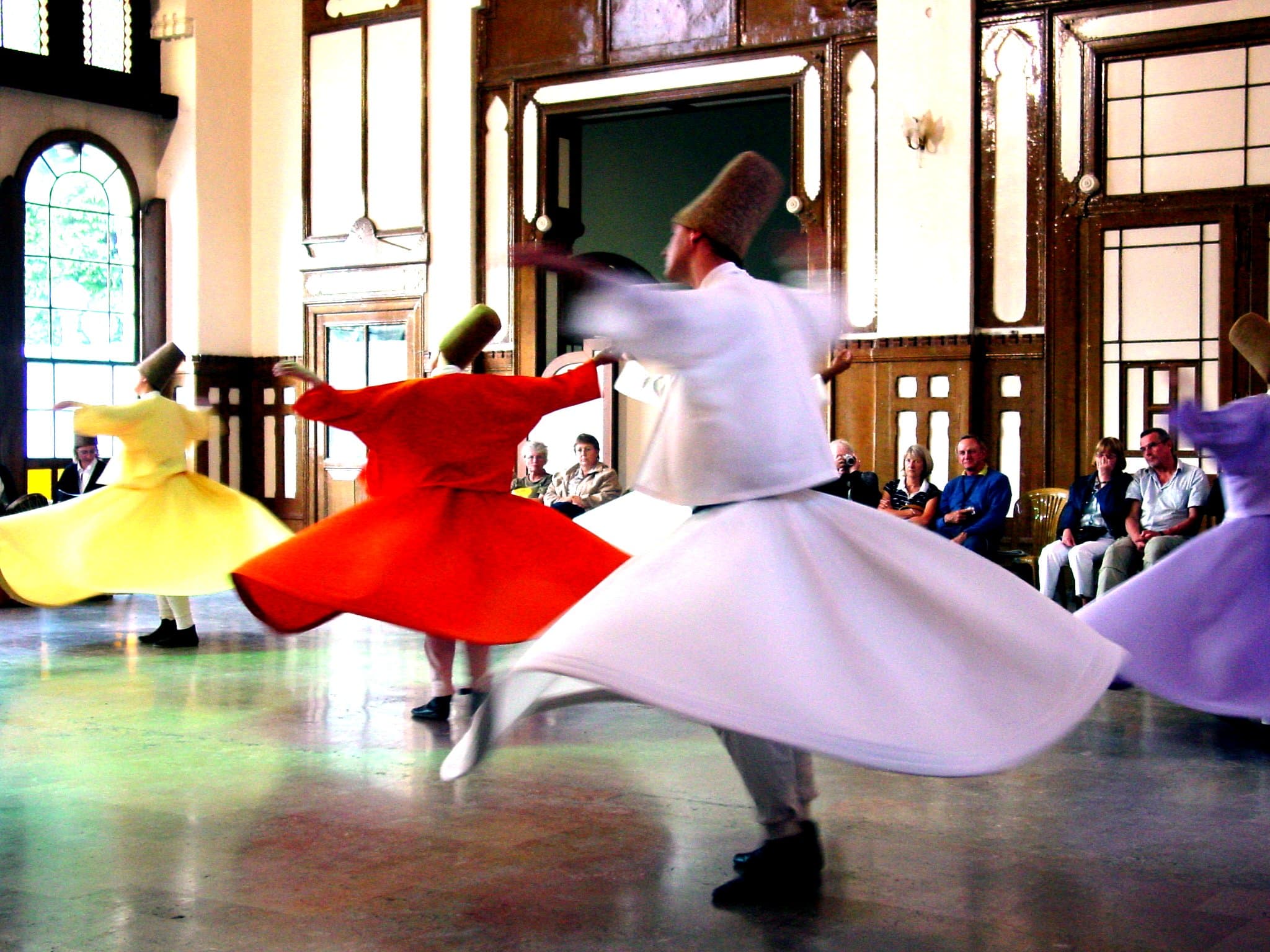

A language of movement
What is contemporary dance?
Contemporary dance is an evolving approach to movement that draws on modern dance, ballet, and other practices. A dance might begin with a feeling, a question, an everyday gesture, or the relationship between bodies and space.
It can use carefully composed choreography, improvisation, or both. Weight, breath, stillness, and movement close to the floor can be as expressive as a leap. Music may guide the dancers; silence can shape a performance too.
You do not need to decode a single correct story to watch it. Notice what holds your attention: a repeated gesture, a sudden pause, the distance between two people.
Explore contemporary dance with RambertContemporary dance vs. modern dance
Modern dance
Modern dance includes influential twentieth-century traditions and movement techniques. Martha Graham, for example, developed a distinctive language of contraction and release. These practices remain part of dance training today.
Read AILEY’s introduction to Martha GrahamContemporary dance
Contemporary dance keeps opening the conversation, drawing from different techniques and current artistic questions. The terms overlap, and teachers use them differently. A class description is often more helpful than the label alone.
Three ways into the same dance
Love, Learn, Play.
A practice you can feel.
Make room for each other.
A shared rhythm asks us to listen. We notice another person’s pace, give them space, and respond with care. Dancing together can turn a room of strangers into people sharing a moment.
Let curiosity lead.
A new gesture changes what feels possible. We learn by watching, trying, repeating, and adapting. The body becomes a place to explore ideas that words alone cannot hold.
Move for the joy of it.
There need not be an audience or an achievement. An unexpected turn, a little silliness, a movement you want to repeat: dance makes room for delight in the doing.
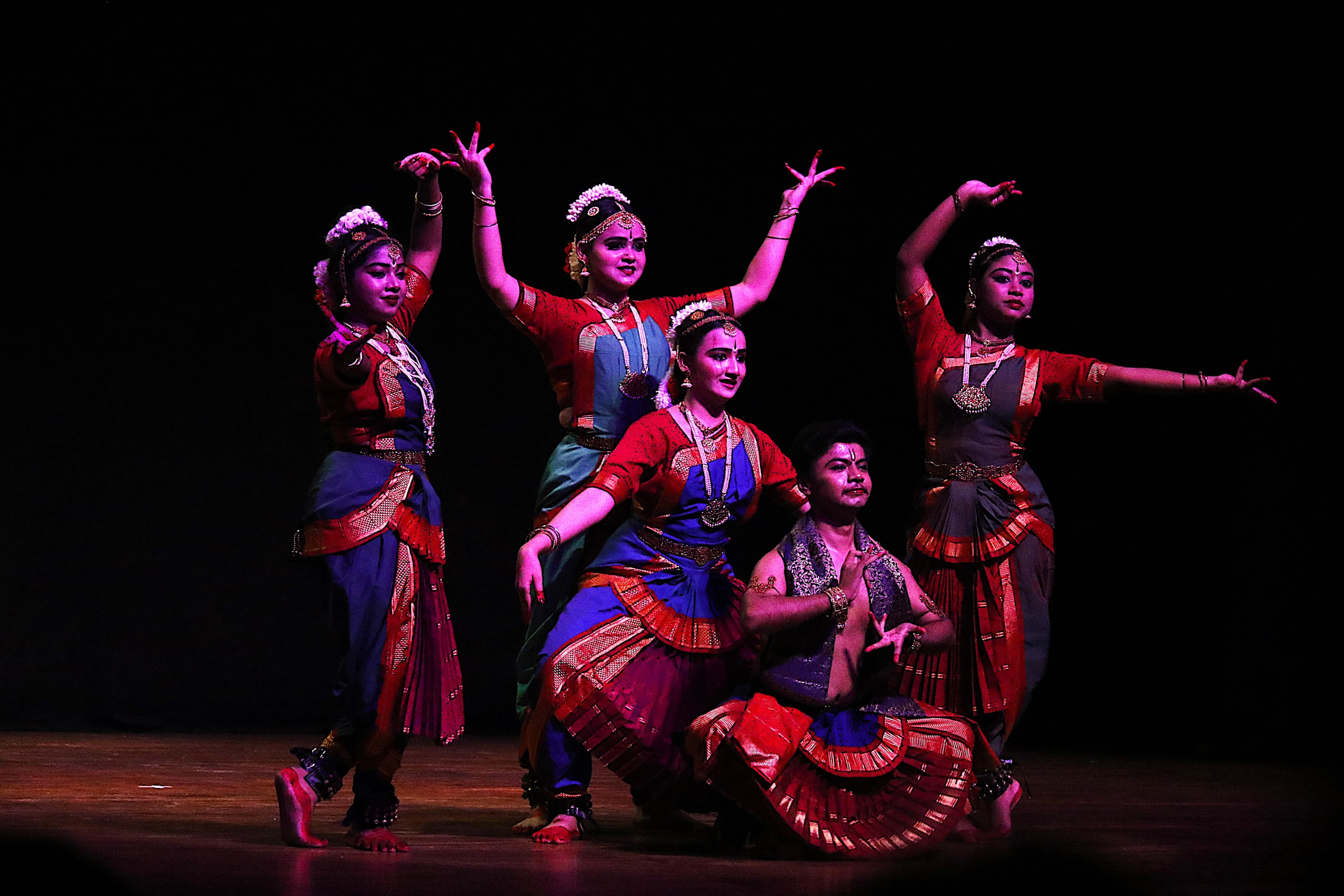

Dance and community
A rhythm we can share.
Some dances belong to a stage. Others happen at weddings, in living rooms, or among friends who hear a favorite song. The wish to move together can make an ordinary gathering memorable.
A welcoming dance space leaves room for different bodies, abilities, and ways of participating. Ask before touching. Offer a seated version. Let someone watch before joining. Connection begins with making room.
Explore community at UEFMovement and meaning
The cosmic dance.
UEF’s interest in Dance is infused with our love of Play and Religious Literacy. Lord Shiva’s Nataraja is the cosmic dance of creation and destruction, rhythms of birth and death that symbolize the divine rhythm of the universe.
The Cambridge Platonists also saw rhythm in the universe when they argued that the low points of existence bring beauty to the peaks.
Read about Nataraja’s symbolism at The MetRhythm, change, and return
In The Screwtape Letters, C.S. Lewis reflects on our desire for both change and permanence. The recurring seasons offer both: a familiar pattern with something new each time. A dance can invite a similar pleasure in repetition and surprise. Let the rhythm of the cosmic dance inspire you!
Read the C.S. Lewis reflectionReligious commonalities
Our religious literacy lesson on music explores devotional expression across traditions, including dance as a way of connecting with the sacred.
Music: The Universal Language of Mankind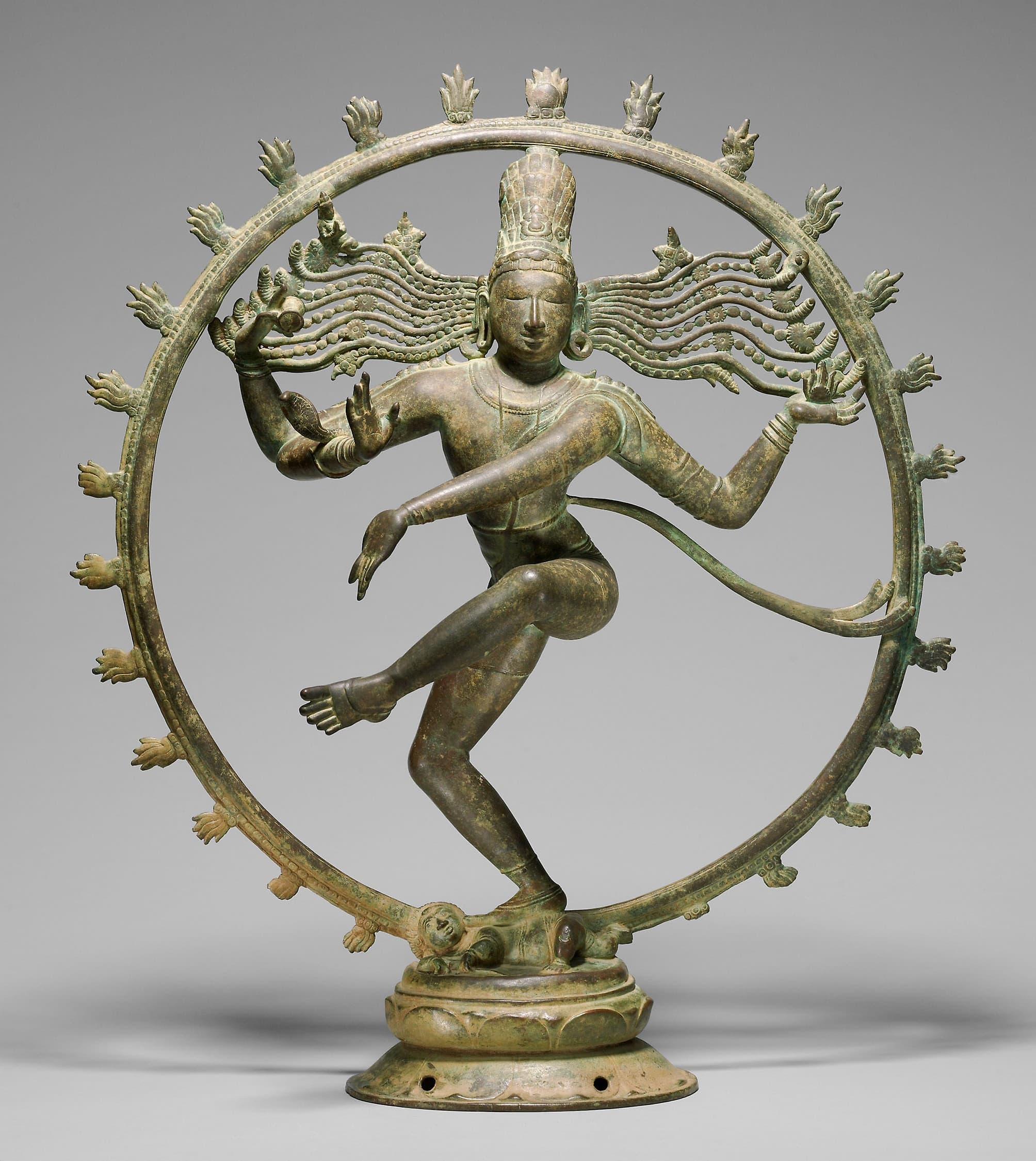
Shiva as Lord of the Dance (Nataraja). Chola period, Tamil Nadu, India. Bronze.
.jpg)
A small invitation
One song. A little space.
Your own way of moving.
Try this simple creative movement prompt on your own or with someone else. Let enjoyment, rather than getting it right, be the point.
Find a rhythm.
Choose a song you enjoy, or begin in silence. Sit or stand comfortably and notice your breath. Give yourself a little space.
Follow one gesture.
Let a hand, a shoulder, or a foot begin. Repeat a small movement, then change its speed or direction. Keep it comfortable for your body.
Make it a conversation.
If you’re with someone, take turns offering a gesture and echoing it. Leave room for each person to change it, or simply watch.
A few questions
Start where you are.
Do I need experience to try contemporary dance?
You can begin exploring creative movement without formal training. A beginner or open-level class can introduce technique with guidance. At home, start with small gestures, at your own pace, seated or standing. You do not need to copy the range of motion of a professional dancer.
What is dance improvisation?
Dance improvisation means making movement choices as you go instead of following a fully fixed sequence. A prompt, a piece of music, a pause, or another dancer’s gesture can be the starting point. Improvisation can be part of creating choreography as well as a practice in its own right.
Why do people dance?
People dance to celebrate, express emotion, tell stories, connect with others, take part in a tradition, or enjoy movement itself. The reason can change from one day to the next. For UEF, dance is a way of experiencing Love, Learn, and Play together.
Is dance a sport or an art?
It depends on the setting. Competitive dance can be a sport with formal rules and judging, while concert dance is a performing art. Social and community dance may center on participation rather than competition or performance. Physical skill and creative expression can belong to the same practice.
What does community dance mean?
Community dance puts participation and shared experience at the center. It may happen in a local class, a neighborhood gathering, or a project made with a particular community. A welcoming group gives people different ways to join in, respects personal space, and makes watching or taking a break acceptable too.
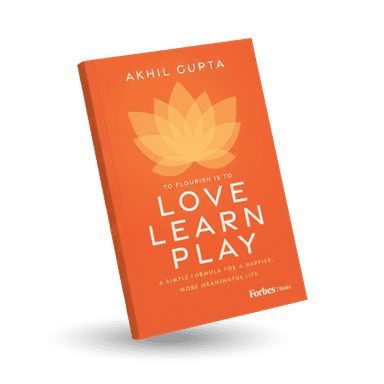
Love • Learn • Play
The formula for a meaningful life.