
There is wisdom
in play.
A board can bring us together, help us learn, and give shape to questions about life. Explore how games have carried ideas across wisdom traditions—and find your own way into the story.
Explore Snakes & Ladders
When a board becomes
a map of life.
Games have given spiritual ideas a form people can move through. A square can represent a state of being; a climb can suggest progress; a fall can make a setback tangible. Surviving boards and scholarly research reveal different traditions exploring these possibilities in different ways.

India’s game of knowledge
Gyan chaupar, the predecessor of Snakes & Ladders, brought ideas about karma, the cosmos, and liberation onto a board. Jacob Schmidt-Madsen’s study of nearly 150 surviving boards shows how Vaishnava Hindu and Jain communities adapted the game to their own worldviews.
The boards preserve those spiritual ideas, although exactly how people used them for teaching, divination, or personal reflection remains less certain.
Jacob Schmidt-Madsen, The Game of Knowledge
University of Copenhagen, 2019.
A Sufi path across the board
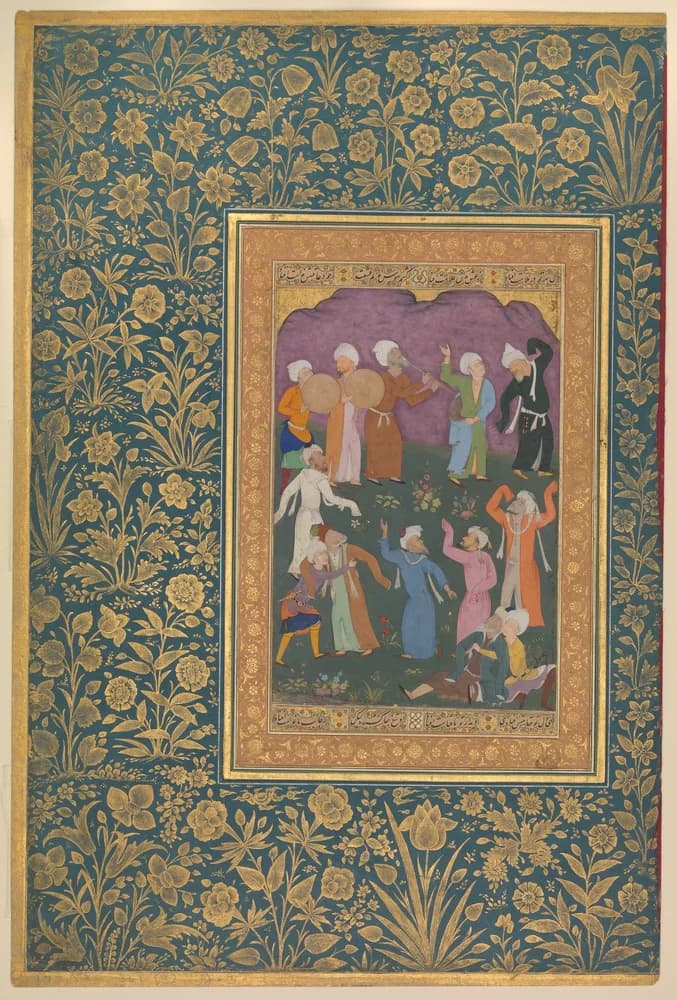
Sufi adaptations gave the journey another spiritual language. Art historian Andrew Topsfield documents nineteenth-century boards, commonly with a hundred Persian-inscribed squares, in which players travel through spiritual states toward heaven.
Promotions and setbacks turn a path of spiritual development into something encountered with each throw of the dice.
Andrew Topsfield, “A Note on Sufi Snakes and Ladders”
Journal of the Royal Asiatic Society, 2022.

Playing toward Buddhahood
In seventeenth-century China, Selection of Buddhas adapted a game about advancement through official ranks into a Buddhist journey. Beverley Foulks McGuire describes how play could introduce beginners to religious practices while offering experienced practitioners another form of recreation.
This separate game tradition also drew criticism—a reminder that the place of play within religious life has been debated.
Beverley Foulks McGuire, “Playing With Karma: A Buddhist Board Game”
Material Religion, 2014.
Snakes & Ladders,
reimagined.
Modern Snakes & Ladders descends from the Indian game of knowledge, gyan chaupar. Our two explorations begin with that shared inheritance: chance, ascent, and setback. One unfolds on a board; the other invites you inside it.
The familiar board · 2D
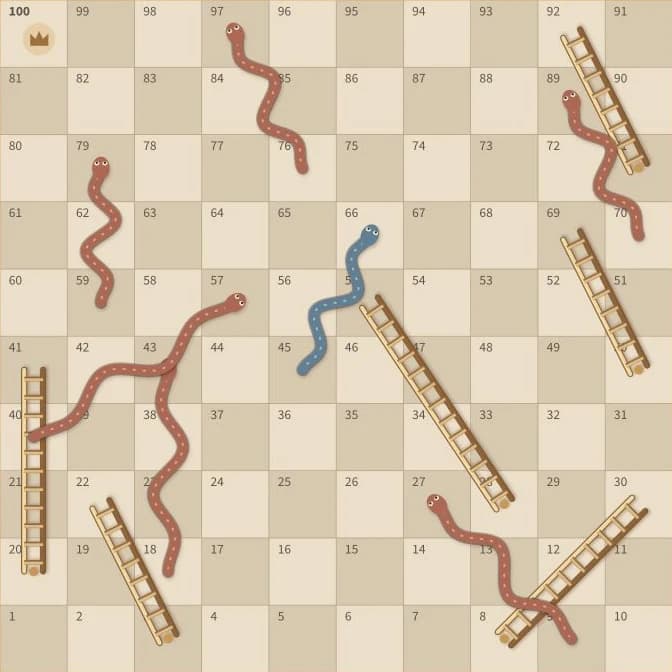
Roll the die, follow the numbers, and see where the next turn takes you. Play on your own or share the board with a friend on the same device.
Play the boardThe Rooms Ahead · 3D
 Begin in wonder
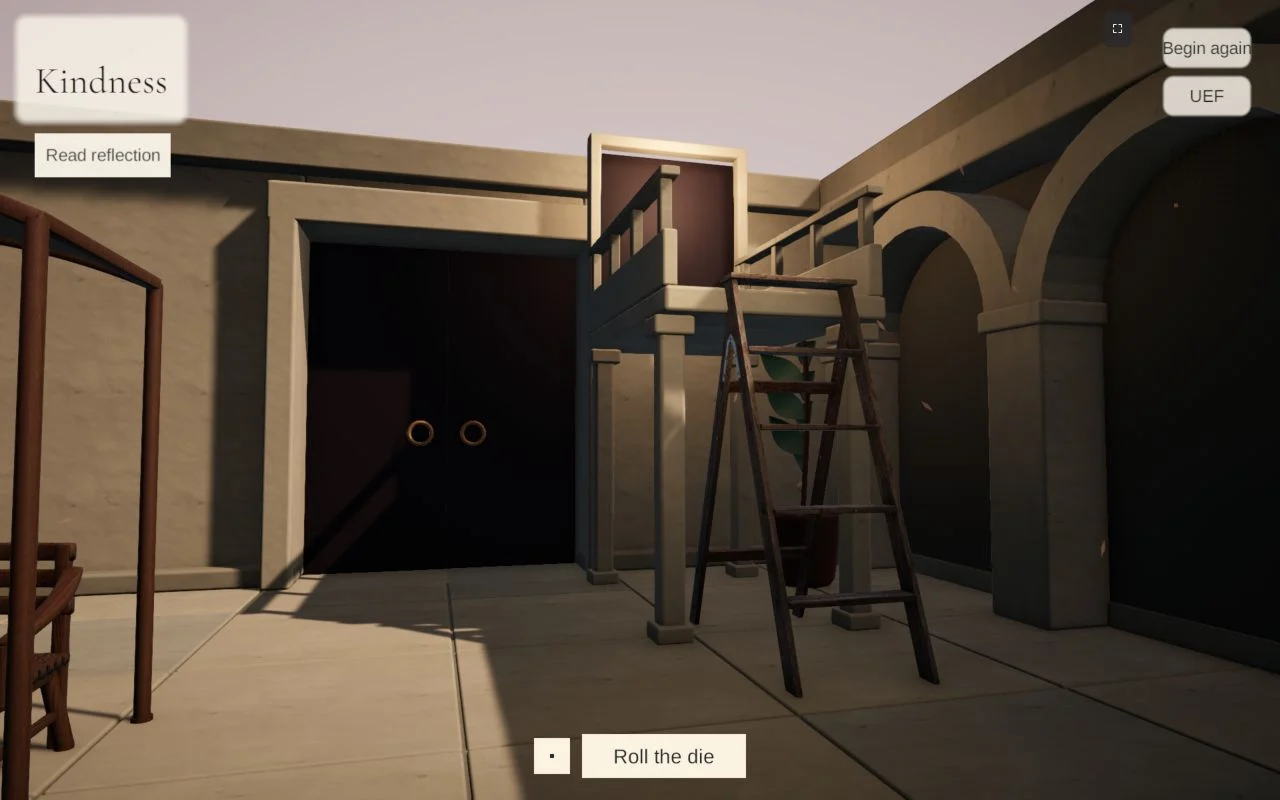 Find a way up
 Meet a setback
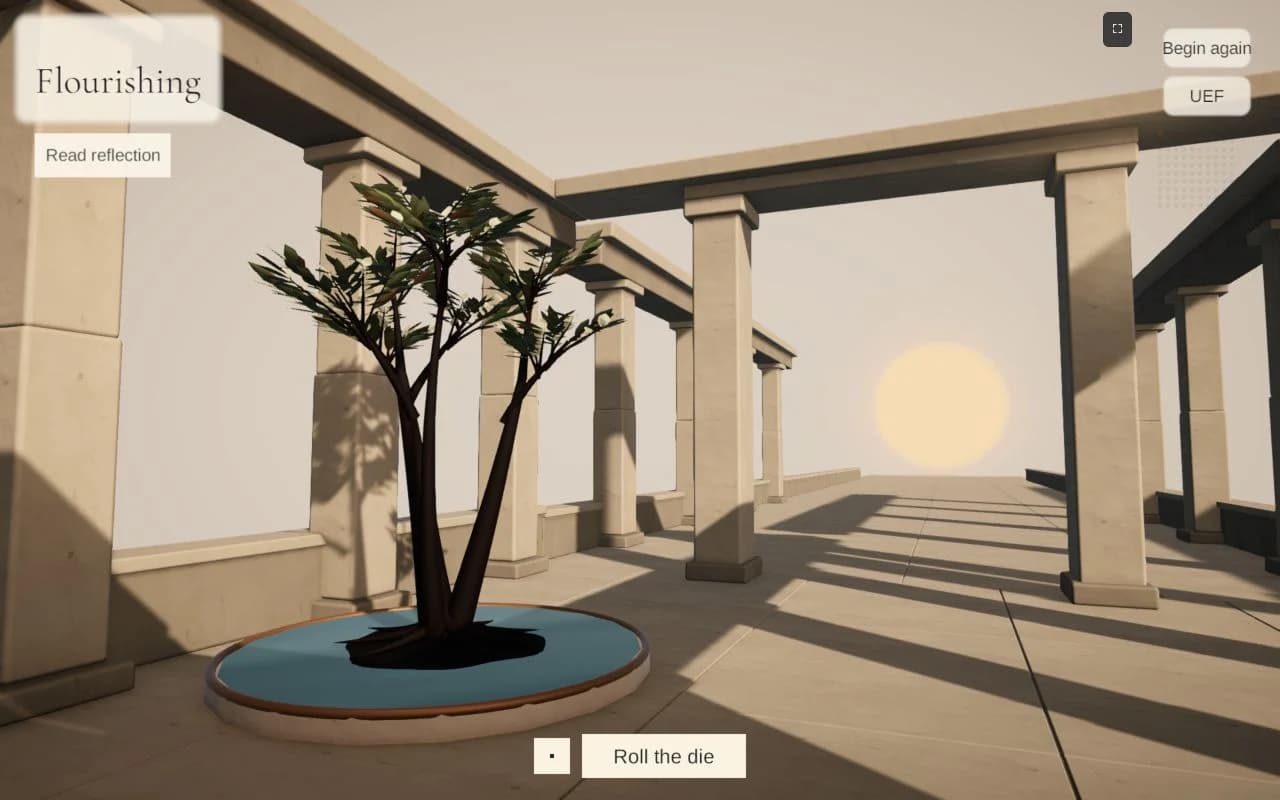 Arrive at flourishing
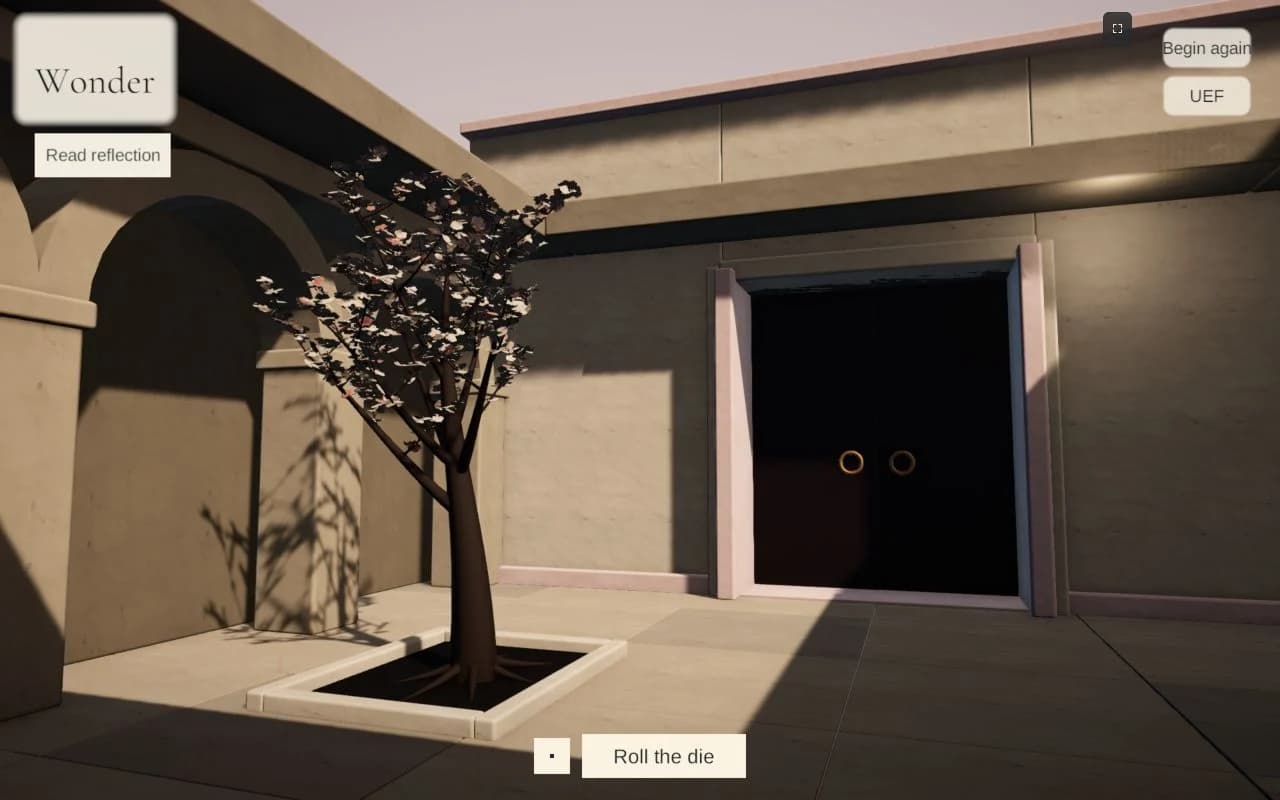
Step inside the board. Each square becomes a room; each roll carries you somewhere new. Between turns, walk around and explore where you have landed.
Explore the roomsBoth offer Classic and UEF editions, with automatic movement after each roll. In our UEF interpretation, Love, Learn, and Play become ladders; Means–Ends Inversion and False Narratives become snakes. These are contemporary invitations to reflect on flourishing, rather than reconstructions of a historical board.
Learning can happen
along the way.
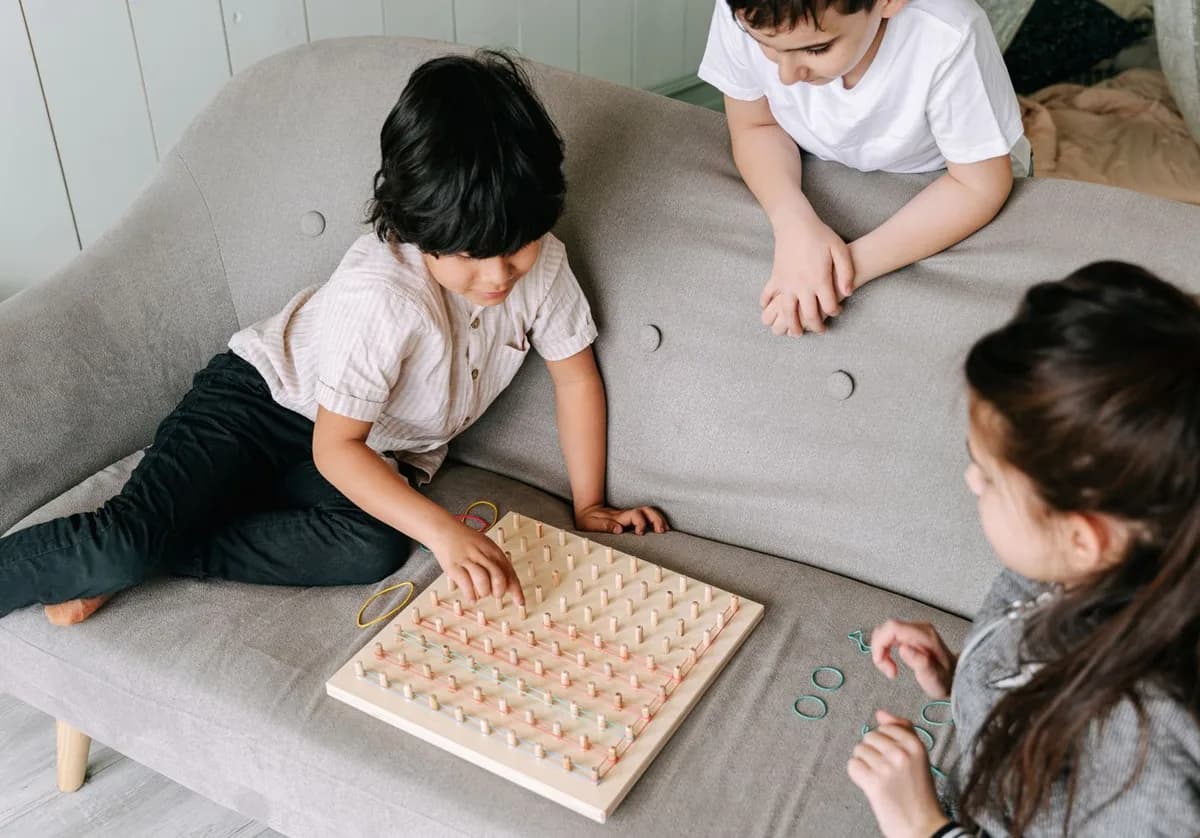
The pleasure of playing is reason enough. Games can also make an idea tangible, invite conversation, and give us room to try again.
In a 2008 study, Geetha Ramani and Robert Siegler found that about an hour with a linear number-board game improved several numerical skills among preschoolers from low-income backgrounds. Gains were still evident nine weeks later. This was a study of a particular game, not a test of our UEF versions. Read the study in Child Development.
Play also reaches beyond academic skills. UNICEF’s The Power of Play describes its role in children’s social, emotional, physical, language, and cognitive development, including through interaction with caregivers.